What is cholesterol?
Cholesterol is a waxy, fat-like substance that's found in all the cells in your body. Your body needs some cholesterol to make hormones, vitamin D, and substances that help you digest foods. Your body makes all the cholesterol it needs. Cholesterol is also found in foods from animal sources, such as egg yolks, meat, and cheese.
If you have too much cholesterol in your blood, it can combine with other substances in the blood to form plaque. Plaque sticks to the walls of your arteries. This buildup of plaque is known as atherosclerosis. It can lead to coronary artery disease, a condition in which your coronary arteries become narrow or even blocked.
What are HDL, LDL, and VLDL?
HDL, LDL, and VLDL are lipoproteins. They are a combination of fat (lipid) and protein. The lipids need to be attached to the proteins so they can move through the blood. Different types of lipoproteins have different purposes:
- HDL stands for high-density lipoprotein. It is sometimes called "good" cholesterol because it helps your body get rid of cholesterol. It carries cholesterol from other parts of your body back to your liver. Your liver then removes the cholesterol from your body.
- LDL stands for low-density lipoprotein. It is sometimes called "bad" cholesterol because a high LDL level leads to the buildup of plaque in your arteries.
- VLDL stands for very low-density lipoprotein. Some people also call VLDL a "bad" cholesterol because it too contributes to the buildup of plaque in your arteries. But VLDL and LDL are different; VLDL mainly carries triglycerides and LDL mainly carries cholesterol.
What causes high cholesterol?
The most common cause of high cholesterol is an unhealthy lifestyle. This can include:
- Unhealthy eating habits, such as eating lots of saturated fats. These fats are found in red meats, full-fat dairy products, chocolate, some baked goods, and many deep-fried and processed foods. Eating too much saturated fat can raise your LDL (bad) cholesterol.
- Lack of physical activity, with lots of sitting and little exercise. This lowers your HDL (good) cholesterol.
- Smoking, which lowers HDL cholesterol, especially in women. It also raises your LDL cholesterol.
- Stress, which may raise levels of certain hormones such as corticosteroids. These can cause your body to make more cholesterol.
- Drinking too much alcohol, which can raise your total cholesterol level.
Genetics may also cause people to have high cholesterol. For example, familial hypercholesterolemia (FH) is an inherited condition that causes very high levels of cholesterol in the blood. Other medical conditions and certain medicines may also raise LDL cholesterol levels or lower HDL cholesterol levels.
What can raise my risk of high cholesterol?
A variety of things can raise your risk of high cholesterol:
- Age. Your cholesterol levels tend to rise as you get older. Even though it is less common, younger people, including children and teens, can also have high cholesterol.
- Sex. Between ages 20 and 39, men have a greater risk of high total cholesterol than women. But after menopause, a woman's risk goes up. This happens because menopause lowers levels of female hormones that may protect against high blood cholesterol.
- Family history. High blood cholesterol can run in families.
- Other health conditions. Conditions such as diabetes, chronic kidney disease, HIV, and lupus can raise your risk of high cholesterol.
- Medicines. Certain medicines can raise your level of LDL cholesterol or lower your level of HDL cholesterol, including:
- Steroids
- Some chemotherapy medicines
- Medicines taken after an organ transplant
- Medicines for certain heart conditions
- Certain acne medicines
- Race or ethnicity. People from certain racial or ethnic groups may have an increased risk of high cholesterol. For example, Asian Americans are more likely to have high levels of LDL cholesterol than other groups. And non-Hispanic White people are more likely than other groups to have high levels of total cholesterol.
- Weight. Being overweight or having obesity raises your cholesterol level.
What other health problems can high cholesterol cause?
Undiagnosed or untreated high blood cholesterol can lead to serious health problems:
- If you have large deposits of plaque in your arteries, an area of plaque can rupture (break open). This can cause a blood clot to form on the surface of the plaque. If the clot becomes large enough, it can mostly or completely block blood flow in a coronary artery.
- If the flow of oxygen-rich blood to your heart muscle is reduced or blocked, it can cause angina (chest pain) or a heart attack.
- Plaque also can build up in other arteries in your body, including the arteries that bring oxygen-rich blood to your brain and limbs. This can lead to problems such as carotid artery disease, stroke, and peripheral arterial disease.
How is high cholesterol diagnosed?
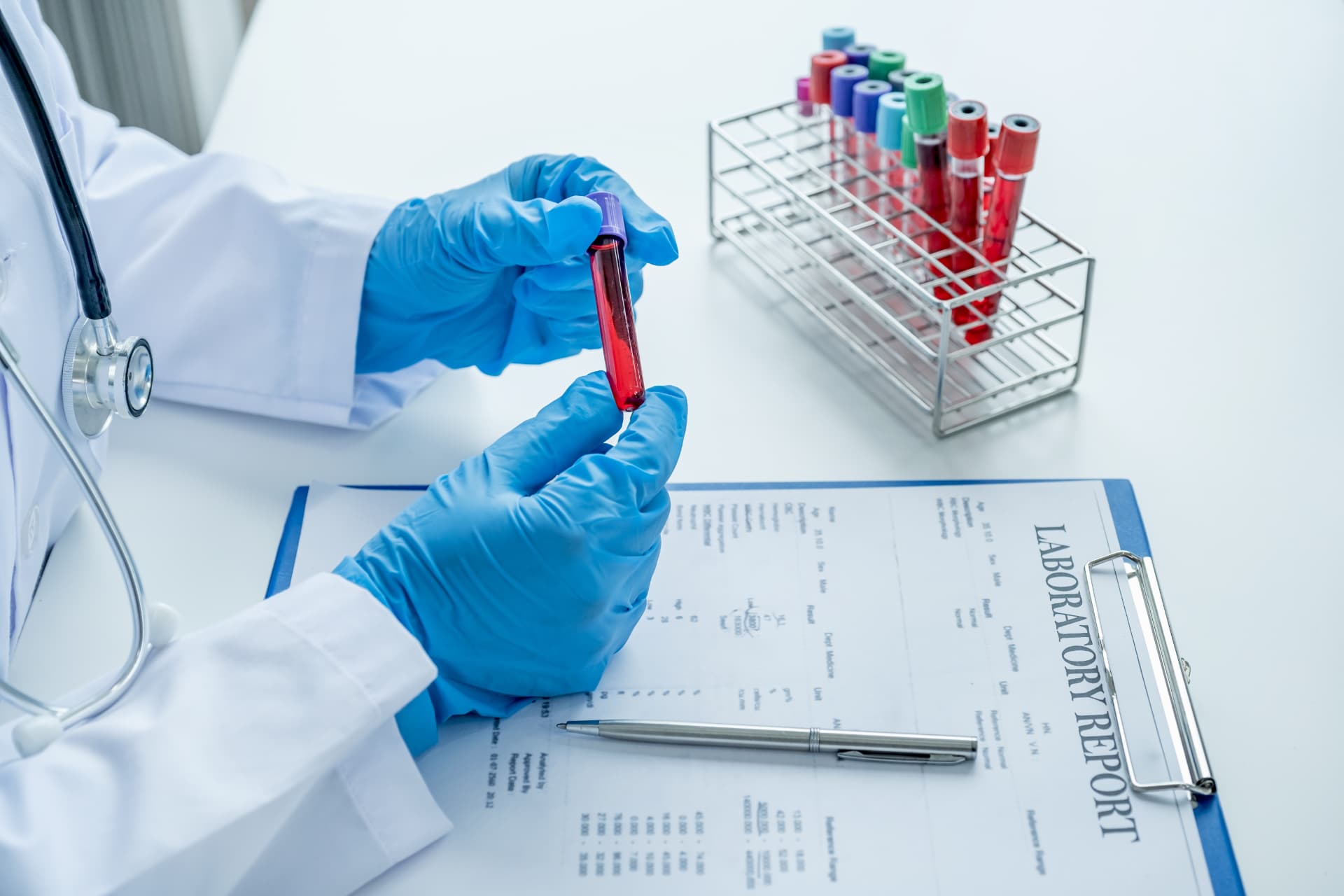
There are usually no signs or symptoms that you have high cholesterol. A blood test can measure your cholesterol levels. When and how often you should get this test depends on your age, risk factors, and family history. The general recommendations are:
For people who are age 19 or younger:
- The first test should be between ages 9 to 11
- Children should have the test again every 5 years
- Some children may have this test starting at age 2 if there is a family history of high blood cholesterol, heart attack, or stroke
For people who are ages 20 to 65:
- Younger adults should have the test every 5 years
- Men ages 45 to 65 and women ages 55 to 65 should have it every 1 to 2 years
For people over age 65:
- They should be tested every year
How can I lower my cholesterol?
You can lower your cholesterol through heart-healthy lifestyle changes. They include a heart-healthy eating plan, weight management, and regular physical activity.
If the lifestyle changes alone do not lower your cholesterol enough, you may also need to take medicines. There are several types of cholesterol-lowering medicines available, including statins. If you take medicines to lower your cholesterol, you still should continue with the lifestyle changes.
Some people with familial hypercholesterolemia (FH) may receive a treatment called lipoprotein apheresis. This treatment uses a filtering machine to remove LDL cholesterol from the blood. Then the machine returns the rest of the blood back to the person.
Source: MedlinePlus: Cholesterol (original source: NIH: National Heart, Lung, and Blood Institute)