South Louisiana Medical Associates
Call

Heart, Blood & Circulation

Carotid Artery Disease and Aneurysms in Houma & South Louisiana

Learn the symptoms, causes, testing and treatment options for carotid artery disease and aneurysms, and find SLMA providers in Houma, Thibodaux and South Louisiana who can help.

Carotid Artery Disease

Carotid Artery Disease

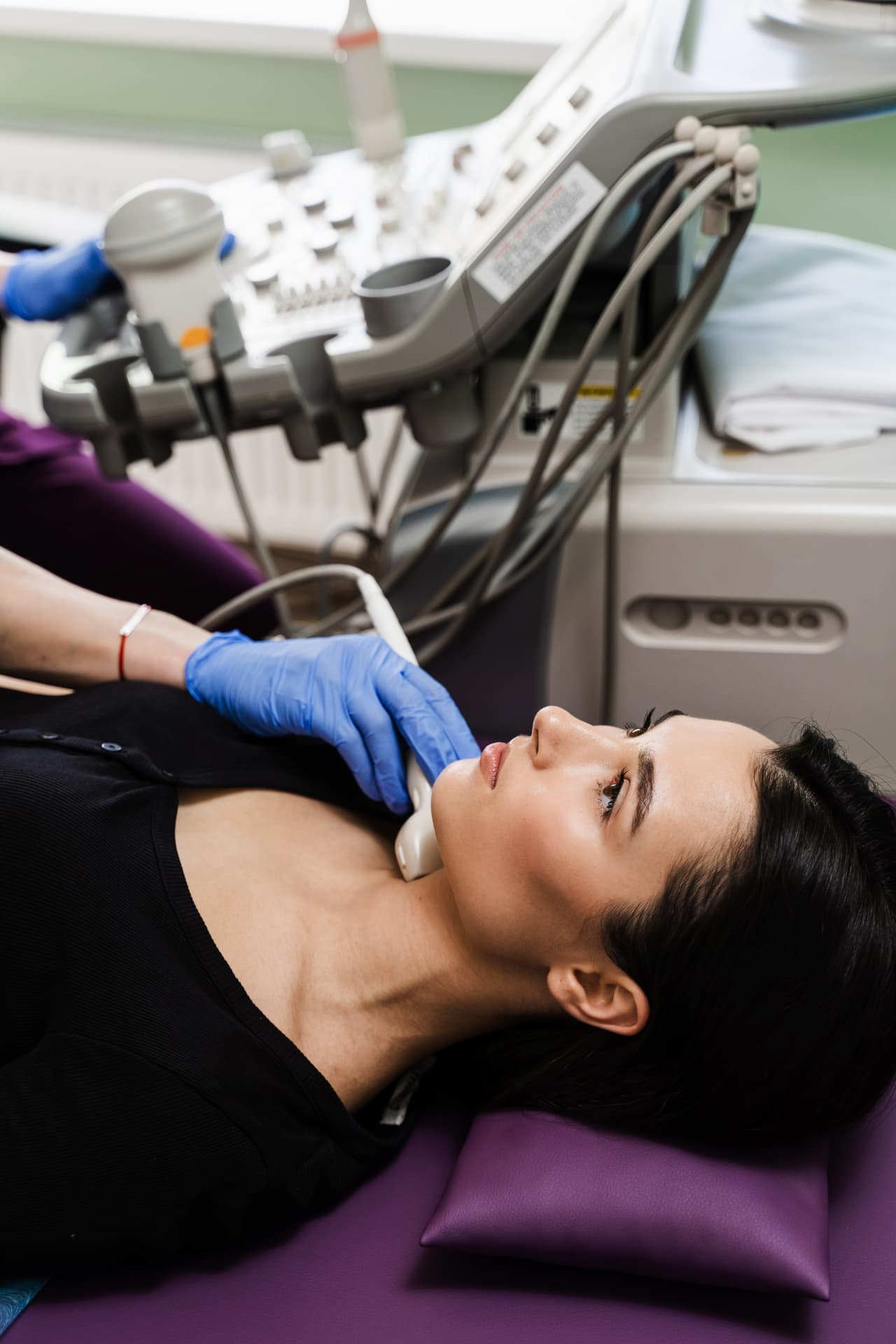
Your carotid arteries are two large blood vessels in your neck. They supply your brain and head with blood. If you have carotid artery disease, the arteries become narrow or blocked, usually because of atherosclerosis. Atherosclerosis is the buildup of plaque, which is made up of fat, cholesterol, calcium, and other substances found in the blood.

Carotid artery disease is serious because it can block the blood flow to your brain, causing a stroke. Too much plaque in the artery can cause a blockage. You can also have a blockage when a piece of plaque or a blood clot breaks off the wall of an artery. The plaque or clot can travel through the bloodstream and get stuck in one of your brain's smaller arteries.

Carotid artery disease often does not cause symptoms until the blockage or narrowing is severe. One sign may be a bruit (whooshing sound) that your doctor hears when listening to your artery with a stethoscope. Another sign is a transient ischemic attack (TIA), a "mini-stroke." A TIA is like a stroke, but it only lasts a few minutes, and the symptoms usually go away within an hour. Stroke is another sign.

Imaging tests can confirm whether you have carotid artery disease.

Treatments may include:

  • Healthy lifestyle changes
  • Medicines
  • Carotid endarterectomy, surgery to remove the plaque
  • Angioplasty, a procedure to place a balloon and stent into the artery to open it and hold it open

Source: MedlinePlus: Carotid Artery Disease (original source: NIH: National Heart, Lung, and Blood Institute)
Aortic Aneurysm

Aortic Aneurysm

An aneurysm is a bulge or "ballooning" in the wall of an artery. Arteries are blood vessels that carry oxygen-rich blood from the heart to other parts of the body. If an aneurysm grows large, it can burst and cause dangerous bleeding or even death.

Most aneurysms are in the aorta, the main artery that runs from the heart through the chest and abdomen.

There are two types of aortic aneurysm:

  • Thoracic aortic aneurysms (TAA) - these occur in the part of the aorta running through the chest
  • Abdominal aortic aneurysms (AAA) - these occur in the part of the aorta running through the abdomen

Most aneurysms are found during tests done for other reasons. Some people are at high risk for aneurysms. It is important for them to get screening, because aneurysms can develop and become large before causing any symptoms. Screening is recommended for people between the ages of 65 and 75 if they have a family history, or if they are men who have smoked. Doctors use imaging tests to find aneurysms. Medicines and surgery are the two main treatments.

Source: MedlinePlus: Aortic Aneurysm (original source: NIH: National Heart, Lung, and Blood Institute)

Health information on this page is from MedlinePlus, a service of the U.S. National Library of Medicine (NLM), National Institutes of Health. Retrieved 09/25/2026. NLM does not endorse SLMA or any SLMA service. This information is for education and is not a substitute for advice from your healthcare provider.

See all providers ›

Providers shown change on each visit.

From SLMA

Related News & Health Topics

Health topic guides

  • Primary Care

    Hypertension

    High blood pressure can gradually affect the heart, blood vessels, kidneys, brain, and other organs. SLMA provides evaluation, treatment, medication management, and ongoing prim...

    Learn more ›
  • Primary Care Sports Medicine

    Sports EKGs

    A sports EKG records the electrical activity of an athlete’s heart and may help identify rhythm abnormalities or other findings that deserve further evaluation. SLMA provides sp...

    Learn more ›
  • Chronic Conditions & Preventive Care

    Diabetes and High Blood Sugar

    Learn the symptoms, causes, testing and treatment options for diabetes and high blood sugar, and find SLMA providers in Houma, Thibodaux and South Louisiana who can help.

    Learn more ›

News and articles

See all news ›

Online scheduling

Schedule Your Visit
With an SLMA Provider

Book online through your clinic's patient portal.

  • Book online

    Schedule through your clinic's patient portal, any time.

  • Provider choice

    See the SLMA provider, specialty or clinic that fits your needs.

  • Coordinated care

    Primary care and specialists work within one medical group.

A woman using her phone to book an appointment

Ready to be seen by an SLMA provider?

Book online through your clinic's patient portal.

Schedule Your Visit

SLMA Clinics

Book NowCallLocations