South Louisiana Medical Associates
Call

Chronic Conditions & Preventive Care

Medical Weight Loss and Obesity in Houma & South Louisiana

Learn the symptoms, causes, testing and treatment options for medical weight loss and obesity, and find SLMA providers in Houma, Thibodaux and South Louisiana who can help.

Obesity

What is obesity?

Obesity is a disease that means having too much body fat. It is different from being overweight, which means weighing too much. Both terms mean that your weight is greater than what's considered healthy for your height.

Body Mass Index (BMI) measures how much you weigh compared to how tall you are. An adult who has a BMI of 30 or more is considered to have obesity. Severe obesity is having a BMI of 40 or higher. Obesity increases your risk for many other diseases and health problems, especially if the extra body fat is carried around the waist.

What raises your risk of obesity?

Obesity happens over time from taking in more calories (through food and drinks) than used up from physical activity and daily living. Your body stores the extra calories as fat. The right balance between calories and activity is different for everyone.

There are many different factors that can affect your body weight. Certain medicines or medical conditions may affect your weight. Other factors include your:

How is obesity diagnosed?

To find out if you have obesity, your health care provider may:

  • Ask about your health history, which may include reviewing your weight history, weight-loss efforts, and how physically active you are.
  • Do a physical exam, which may include checking your height, weight, and vital signs, as well as listening to your heart and lungs.
  • Order blood tests or other imaging tests, which may include checking any known health problems, as well as for other weight-related diseases and health conditions.
  • Calculate your BMI, to check your risk for certain diseases. The higher your BMI, the higher your risk. BMI does not distinguish between fat, muscle, and bone mass. It may also overestimate body fat in athletes or those with a muscular build, or underestimate body fat in older persons, or others who have lost muscle.
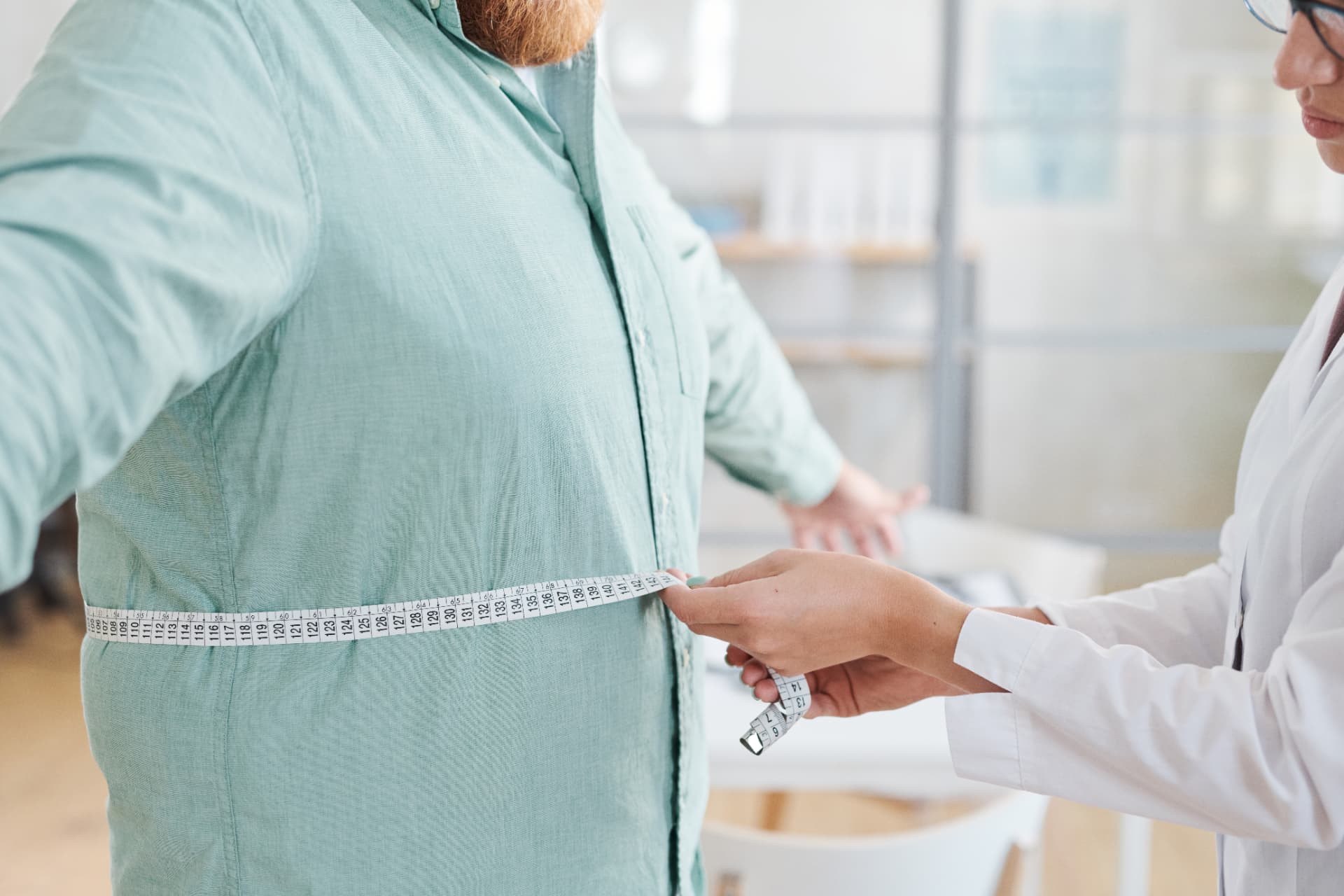
  • Check your waist size, since a large waistline, with more body fat around your abdomen (belly) rather than your hips, increases your risk for weight-related health problems.

What health problems can obesity cause?

Having a larger body size can make your heart work harder, put extra pressure on your joints, and may increase your risk for many health conditions, including:

If you have obesity, losing even 5 to 10% of your weight can delay or prevent some of these diseases. For example, that means losing 10 to 20 pounds if you weigh 200 pounds.

What are the treatments for obesity?

Treatment plans for obesity may depend on your overall weight, other health conditions, and your willingness to participate in a weight-loss plan.

Your provider can tell you what a healthy weight is for you, help you set goals, and give you tips on how to lose weight. They may refer you to other providers that specialize in nutrition or weight loss to help you make realistic goals and provide support.

Possible treatments may include:

  • Dietary changes and exercise goals to help you learn how to adopt healthy nutrition, exercise, and lifestyle changes to lose weight safely and keep it off long term.
  • Counseling or support groups can give you encouragement and help you understand what's behind weight changes.
  • Weight-loss medicines to treat obesity.
  • Weight loss procedures or surgery if you have severe obesity or serious obesity-related health problems and have not been able to lose enough weight.

A healthy lifestyle that includes healthy eating patterns and regular physical activity can help you lose weight and lower your chance of developing complications related to obesity.

Source: MedlinePlus: Obesity (original source: NIH: National Institute of Diabetes and Digestive and Kidney Diseases)


Weight Control

Why is weight control important?

If you are struggling with your weight, you are not alone. In the United States, more than 70 percent of adults are overweight or have obesity. Having this extra weight raises your risk for many health conditions, such as type 2 diabetes, heart disease, kidney disease, and certain cancers.

Reaching and staying at a healthy weight can be challenging. But having a healthy lifestyle, including healthy eating patterns and regular physical activity, can help you lose weight. It can also lower your chance of developing weight-related health conditions.

What factors affect weight and health?

You gain weight when you take in more calories (through food and drinks) than you use up from physical activity and daily living. But there are many different factors that can affect weight gain, such as:

  • The world around you. Your home, community, and workplace all may affect how you make daily lifestyle choices. For example:
    • It is often easier to find food and beverages high in calories, sugar, and fat. For instance, vending machines, cafeterias, and special events may not offer healthy, lower calorie options.
    • Less healthy foods may be cheaper than healthier foods.
    • Many people are getting less physical activity because they are spending more time using smartphones and other devices.
  • Families. Overweight and obesity tend to run in families. This suggests that genes may play a role in weight gain. Families may also share eating and lifestyle habits. For example, some families may often have foods and drinks that are high in calories, sugar, and fat. And some families may tend to be less active and spend more time doing things like sitting and watching TV or using computers.
  • Not enough sleep. People who don't get enough sleep may eat more calories and snack more.
  • Emotions. Some people eat when they feel bored, sad, or stressed, even if they are not hungry.
  • Medicines and health conditions. Taking certain medicines, such as steroids and certain antidepressants, can lead to weight gain. Some chronic health problems can also cause you to gain weight. A few examples are Cushing's syndrome and polycystic ovary syndrome (PCOS).

How can I get to and stay at a healthy weight?

Getting to and staying at a healthy weight involves finding a balance of food and activity. To lose weight, you need to take in fewer calories than you use up. Some ways to do this are:

  • Eating more nutrient-rich foods, such as foods with lots of vitamins, minerals, and fiber.
  • Eating and drinking less of the foods and beverages that have lots of calories, salt, sugar, and fat.
  • Limiting alcohol.
  • Finding healthier ways to cook, such as using healthier oils to cook with and baking or grilling instead of frying foods.
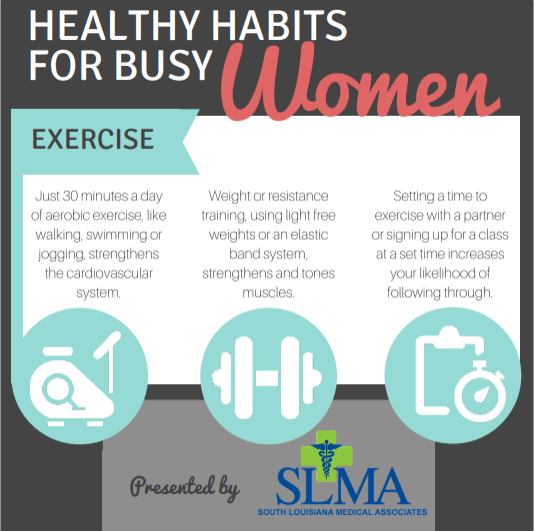
  • Getting more physical activity. The general recommendation is for adults to get 150 minutes of physical activity each week. This time can be broken down into short bursts of activity throughout your day. Types of physical activity include:
    • Aerobic activity, which is also called cardio. It uses your large muscle groups (chest, legs, and back) to speed up your heart rate and breathing.
    • Muscle-strengthening activity, which is also called strength training. It works your muscles by making you push or pull against something.

You may decide to do these lifestyle changes on your own, or you may decide to try a weight-loss diet or program. Before you start, it's important to check with your health care provider first. Your provider can tell you what a healthy weight is for you, help you set goals, and give you tips on how to lose weight.

What are weight management medicines?

If making lifestyle changes or doing a weight-loss program are not enough to help you lose weight, your provider may prescribe medicines. These medicines are meant to help people who have weight-related health conditions and should be used along with healthy eating and physical activity. The prescription medicines to treat overweight and obesity work in different ways. Some may help you feel less hungry or full sooner. Others may make it harder for your body to absorb fat from the foods you eat.

Another treatment is weight loss surgery. Your provider may recommend the surgery if you have severe obesity or serious obesity-related health problems and you have not been able to lose enough weight.

How can I maintain my weight loss?

Maintaining weight loss can be challenging, and it's normal to slip back into old habits sometimes. The key is to keep a healthy balance of food and activity that works for you. Checking your weight regularly can help you notice small changes early and stay on track. And if you have a setback, don't be discouraged, simply refocus on your healthy habits and keep going.

Source: MedlinePlus: Weight Control (original source: NIH: National Institute of Diabetes and Digestive and Kidney Diseases)
Health information on this page is from MedlinePlus, a service of the U.S. National Library of Medicine (NLM), National Institutes of Health. Retrieved 09/25/2026. NLM does not endorse SLMA or any SLMA service. This information is for education and is not a substitute for advice from your healthcare provider.

See all providers ›

Providers shown change on each visit.

From SLMA

Related News & Health Topics

Health topic guides

  • Primary Care

    Hypertension

    High blood pressure can gradually affect the heart, blood vessels, kidneys, brain, and other organs. SLMA provides evaluation, treatment, medication management, and ongoing prim...

    Learn more ›
  • Primary Care Sports Medicine

    Sports EKGs

    A sports EKG records the electrical activity of an athlete’s heart and may help identify rhythm abnormalities or other findings that deserve further evaluation. SLMA provides sp...

    Learn more ›
  • Chronic Conditions & Preventive Care

    Diabetes and High Blood Sugar

    Learn the symptoms, causes, testing and treatment options for diabetes and high blood sugar, and find SLMA providers in Houma, Thibodaux and South Louisiana who can help.

    Learn more ›

News and articles

See all news ›

Online scheduling

Schedule Your Visit
With an SLMA Provider

Book online through your clinic's patient portal.

  • Book online

    Schedule through your clinic's patient portal, any time.

  • Provider choice

    See the SLMA provider, specialty or clinic that fits your needs.

  • Coordinated care

    Primary care and specialists work within one medical group.

A woman using her phone to book an appointment

Ready to be seen by an SLMA provider?

Book online through your clinic's patient portal.

Schedule Your Visit

SLMA Clinics

Book NowCallLocations