
What is heart disease?
Heart disease is a general term that includes many types of heart problems. It's a type of cardiovascular disease, which means heart and blood vessel disease.
Heart disease is the leading cause of death in the United States, but there are ways to prevent and manage many types of heart disease.
What are the types of heart disease?
There are many different types of heart disease. Some you may be born with, called congenital heart disease. Other types develop during your lifetime.
Coronary artery disease (also called coronary heart disease) is the most common type of heart disease. It happens slowly over time when a sticky substance called plaque builds up in the arteries that supply your heart muscle with blood. The plaque narrows or blocks blood flow to the heart muscle and can lead to other heart problems:
- Angina - chest pain from lack of blood flow
- Heart attacks - when part of the heart muscle dies from loss of blood flow
- Heart failure - when your heart can't pump enough blood to meet your body's needs
- Arrhythmia - a problem with the rate or rhythm of your heartbeat
Other types of heart diseases may affect your heart valves or heart muscle (cardiomyopathy).
What causes heart diseases?
The causes of heart disease depend on the type of disease. Some possible causes include lifestyle, genetics, infections, medicines, and other diseases.
Who is more likely to develop heart diseases?
There are many different factors that can make you more likely to develop heart disease. Some of these factors you can change, but others you cannot.
- Age. Your risk of heart disease goes up as you get older.
- Sex. Some factors may affect heart disease risk differently in women than in men.
- Family history and genetics. A family history of early heart disease raises your risk. And research has shown that some genes are linked to a higher risk of certain heart diseases.
- Race/ethnicity. Heart disease is the leading cause of death in most racial and ethnic groups in the United States. However, certain groups have higher risks than others. This includes Black people, White people, and American Indian/Alaska Native people.
- Lifestyle habits. Over time, unhealthy lifestyle habits can raise your risk of heart disease. These can include:
- Eating a diet high in saturated fats, refined carbohydrates, and salt.
- Not getting enough physical activity.
- Drinking too much alcohol.
- Smoking and exposure to secondhand smoke.
- Too much stress.
- Having other medical conditions can raise your risk of heart diseases. These conditions include:
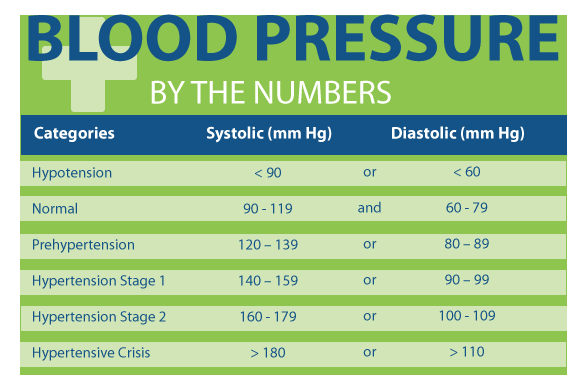
- High blood pressure.
- High cholesterol levels.
- Diabetes.
- Obesity.
- Autoimmune and inflammatory diseases.
- Chronic kidney disease.
- Metabolic syndrome.
What are the symptoms of heart disease?
Your symptoms will depend on the type of heart disease you have. You may not have symptoms at first. In some cases, you may not know you have heart disease until you have a complication such as a heart attack.
How are heart diseases diagnosed?
To find out if you have heart disease, your health care provider will:
- Ask about your medical history, including your symptoms
- Ask about your family health history, including relatives who have had heart disease
- Do a physical exam
- Likely run heart tests and blood tests
In some cases, your provider may refer you to a cardiologist (a doctor who specializes in heart diseases) for tests, diagnosis, and care.
What are the treatments for heart disease?
Treatment plans for heart disease depend on the type of heart disease you have, how serious your symptoms are, and what other health conditions you have. Possible treatments may include:
- Heart-healthy lifestyle changes
- Medicines
- Procedures or surgeries
- Cardiac rehabilitation
Can heart diseases be prevented?
You may be able to lower your risk of certain heart diseases by making heart-healthy lifestyle changes and managing any other medical conditions you have.
Source: MedlinePlus: Heart Diseases (original source: NIH: National Heart, Lung, and Blood Institute)