
South Louisiana Medical Associates
Call

Behavioral Health, Skin, Children & Everyday Care

Eczema, Rashes and Acne in Houma & South Louisiana

Learn the symptoms, causes, testing and treatment options for eczema, rashes and acne, and find SLMA providers in Houma, Thibodaux and South Louisiana who can help.

Eczema

Eczema

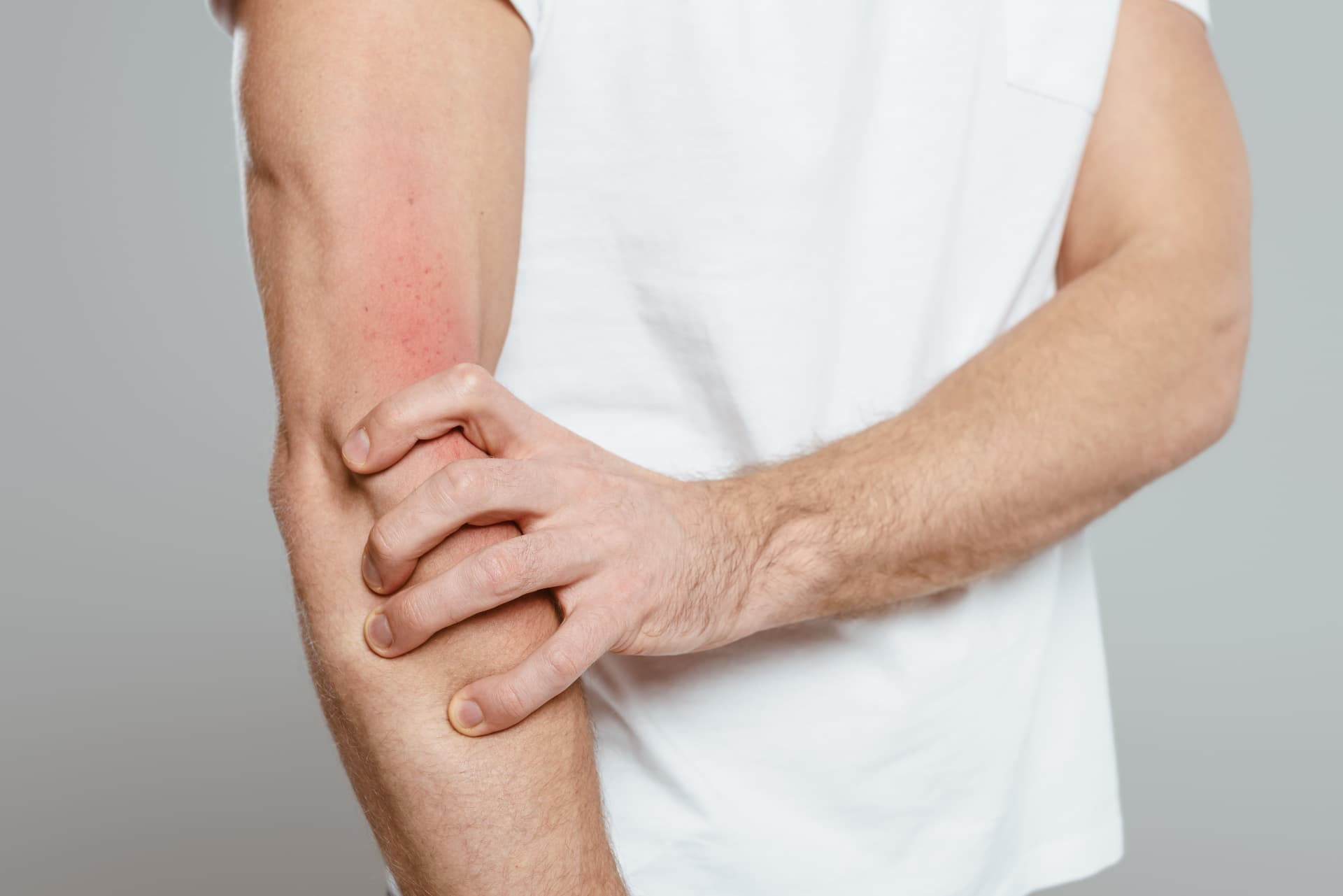
Eczema is a term for several different types of skin swelling. Eczema is also called dermatitis. Most types cause dry, itchy skin and rashes on the face, inside the elbows and behind the knees, and on the hands and feet. Scratching the skin can cause it to turn red, and to swell and itch even more.

Eczema is not contagious. The cause of eczema is unknown. It is likely caused by both genetic and environmental factors. Eczema may get better or worse over time, but it is often a long-lasting disease. People who have it may also develop hay fever and asthma.

The most common type of eczema is atopic dermatitis. It is most common in babies and children, but adults can have it too. As children who have atopic dermatitis grow older, this problem may get better or go away. But sometimes the skin may stay dry and get irritated easily.

Treatments may include medicines, skin creams, light therapy, and good skin care. You can prevent some types of eczema by avoiding:

  • Things that irritate your skin, such as certain soaps, fabrics, and lotions
  • Stress
  • Things you are allergic to, such as food, pollen, and animals

Source: MedlinePlus: Eczema (original source: NIH: National Institute of Arthritis and Musculoskeletal and Skin Diseases)
Rashes

Rashes

A rash is an area of irritated or swollen skin. Many rashes are itchy, red, painful, and irritated. Some rashes can also lead to blisters or patches of raw skin. Rashes are a symptom of many different medical problems. Other causes include irritating substances and allergies. Certain genes can make people more likely to get rashes.

Contact dermatitis is a common type of rash. It causes redness, itching, and sometimes small bumps. You get the rash where you have touched an irritant, such as a chemical, or something you are allergic to, like poison ivy.

Some rashes develop right away. Others form over several days. Although most rashes clear up fairly quickly, others are long-lasting and need long-term treatment.

Because rashes can be caused by many different things, it's important to figure out what kind you have before you treat it. If it is a bad rash, if it does not go away, or if you have other symptoms, you should see your health care provider. Treatments may include moisturizers, lotions, baths, cortisone creams that relieve swelling, and antihistamines, which relieve itching.

Source: MedlinePlus: Rashes

Acne

Acne

Acne is a common skin disease that causes pimples. Pimples form when hair follicles under your skin clog up. Most pimples form on the face, neck, back, chest, and shoulders. Anyone can get acne, but it is common in teenagers and young adults. It is not serious, but it can cause scars.

No one knows exactly what causes acne. Hormone changes, such as those during the teenage years and pregnancy, probably play a role. There are many myths about what causes acne. Chocolate and greasy foods are often blamed, but there is little evidence that foods have much effect on acne in most people. Another common myth is that dirty skin causes acne; however, blackheads and pimples are not caused by dirt. Stress doesn't cause acne, but stress can make it worse.

If you have acne:

  • Clean your skin gently
  • Try not to touch your skin
  • Avoid the sun

Treatments for acne include medicines and creams.

NIH: National Institute of Arthritis and Musculoskeletal and Skin Diseases

Source: MedlinePlus: Acne

Health information on this page is from MedlinePlus, a service of the U.S. National Library of Medicine (NLM), National Institutes of Health. Retrieved 09/25/2026. NLM does not endorse SLMA or any SLMA service. This information is for education and is not a substitute for advice from your healthcare provider.

See all providers ›

Providers shown change on each visit.

From SLMA

Related News & Health Topics

Health topic guides

  • Primary Care

    Hypertension

    High blood pressure can gradually affect the heart, blood vessels, kidneys, brain, and other organs. SLMA provides evaluation, treatment, medication management, and ongoing prim...

    Learn more ›
  • Primary Care Sports Medicine

    Sports EKGs

    A sports EKG records the electrical activity of an athlete’s heart and may help identify rhythm abnormalities or other findings that deserve further evaluation. SLMA provides sp...

    Learn more ›
  • Chronic Conditions & Preventive Care

    Diabetes and High Blood Sugar

    Learn the symptoms, causes, testing and treatment options for diabetes and high blood sugar, and find SLMA providers in Houma, Thibodaux and South Louisiana who can help.

    Learn more ›

News and articles

  • Health TipsSeptember 5, 2018

    Seat Check: Your Guide To Car Seats

    Car crashes are among the leading causes of death for young children. One of the best way to keep your child safe is to make sure you match your child to the appropriate car seat.

    Read article: Seat Check: Your Guide To Car Seats ›
  • Health TipsAugust 28, 2018

    Is Breast Best?

    In honor of Breastfeeding Awareness Month, we want to share information about the benefits of breastfeeding for both mom and baby.

    Read article: Is Breast Best? ›
See all news ›

Online scheduling

Schedule Your Visit
With an SLMA Provider

Book online through your clinic's patient portal.

  • Book online

    Schedule through your clinic's patient portal, any time.

  • Provider choice

    See the SLMA provider, specialty or clinic that fits your needs.

  • Coordinated care

    Primary care and specialists work within one medical group.

A woman using her phone to book an appointment

Ready to be seen by an SLMA provider?

Book online through your clinic's patient portal.

Schedule Your Visit

SLMA Clinics

Book NowCallLocations