
South Louisiana Medical Associates
Call

Chronic Conditions & Preventive Care

Prediabetes and Metabolic Health in Houma & South Louisiana

Learn the symptoms, causes, testing and treatment options for prediabetes and metabolic health, and find SLMA providers in Houma, Thibodaux and South Louisiana who can help.

Prediabetes

What is prediabetes?

Prediabetes means that your blood glucose, or blood sugar, levels are higher than normal but not high enough to be called diabetes. Glucose comes from the foods you eat. Too much glucose in your blood can damage your body over time.

If you have prediabetes, you are more likely to develop type 2 diabetes, heart disease, and stroke. But if you make some lifestyle changes now, you may be able to delay or prevent type 2 diabetes.

What causes prediabetes?

Prediabetes usually happens when your body has a problem with insulin. Insulin is a hormone that helps the glucose get into your cells to give them energy. A problem with insulin could be:

  • Insulin resistance, a condition in which the body can't use its insulin properly. It makes it hard for your cells to get glucose from your blood. This can cause your blood sugar levels to rise.
  • Your body can't make enough insulin to keep your blood sugar levels at a healthy level

Researchers think that being overweight and not getting regular physical activity are major factors in causing prediabetes.

Who is at risk for prediabetes?

About 1 out of every 3 adults has prediabetes. It is more common in people who:

What are the symptoms of prediabetes?

Most people don't know they have prediabetes because usually there are no symptoms.

Some people with prediabetes may have darkened skin in the armpit or on the back and sides of the neck. They may also have many small skin growths in those same areas.

How is prediabetes diagnosed?

There are a few different blood tests that can diagnose prediabetes. The most common ones are:

  • Fasting plasma glucose (FPG) test, which measures your blood sugar at a single point in time. You need to fast (not eat or drink) for at least 8 hours before the test. The results of the test are given in mg/dL (milligrams per deciliter):
    • A normal level is 99 or below
    • Prediabetes is 100 to 125
    • Type 2 diabetes is 126 and above
  • A1C test, which measures your average blood sugar over the past 3 months. The results of an A1C test are given as a percentage. The higher the percentage, the higher your blood sugar levels have been.
    • A normal level is below 5.7%
    • Prediabetes is between 5.7 to 6.4%
    • Type 2 diabetes is above 6.5%

If I have prediabetes, will I get diabetes?

If you have prediabetes, you may be able to delay or prevent type 2 diabetes through lifestyle changes:

In some cases, your health care provider may also recommend taking diabetes medicines.

Can prediabetes be prevented?

If you are at risk for prediabetes, those same lifestyle changes (losing weight, regular physical activity, and a healthy eating plan) may prevent you from getting it.

Source: MedlinePlus: Prediabetes (original source: NIH: National Institute of Diabetes and Digestive and Kidney Diseases)


Metabolic Syndrome

What is metabolic syndrome?

Metabolic syndrome is the name for a group of risk factors for heart disease, diabetes, and other health problems. You can have just one risk factor, but people often have several of them together. When you have at least three of them, it is called metabolic syndrome. These risk factors include:

  • A large waistline, also called abdominal obesity or "having an apple shape." Too much fat around the stomach is a greater risk factor for heart disease than too much fat in other parts of the body.
  • Having a high triglyceride level. Triglycerides are a type of fat found in the blood.
  • Having a low HDL cholesterol level. HDL is sometimes called the "good" cholesterol because it helps remove cholesterol from your arteries.
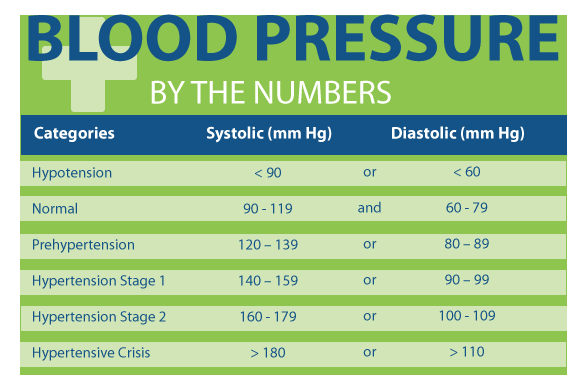
  • Having high blood pressure. If your blood pressure stays high over time, it can damage your heart and lead to other health problems.
  • Having a high fasting blood sugar. Mildly high blood sugar may be an early sign of diabetes.

The more factors you have, the higher your risk for heart disease, diabetes, and stroke is.

What causes metabolic syndrome?

Metabolic syndrome has several causes that act together:

  • Overweight and obesity
  • An inactive lifestyle
  • Insulin resistance, a condition in which the body can't use insulin properly. Insulin is a hormone that helps move blood sugar into your cells to give them energy. Insulin resistance can lead to high blood sugar levels.
  • Age - your risk goes up as get older
  • Genetics - ethnicity and family history

People who have metabolic syndrome often also have excessive blood clotting and inflammation throughout the body. Researchers don't know whether these conditions cause metabolic syndrome or worsen it.

Who is at risk for metabolic syndrome?

The most important risk factors for metabolic syndrome are:

  • Abdominal obesity (a large waistline)
  • An inactive lifestyle
  • Insulin resistance

There are certain groups of people who have an increased risk of metabolic syndrome:

  • Some racial and ethnic groups. Mexican Americans have the highest rate of metabolic syndrome, followed by White and Black people.
  • People who have diabetes
  • People who have a sibling or parent who has diabetes
  • Women with polycystic ovary syndrome (PCOS)
  • People who take medicines that cause weight gain or changes in blood pressure, blood cholesterol, and blood sugar levels

What are the symptoms of metabolic syndrome?

Most of the metabolic risk factors have no obvious signs or symptoms, except for a large waistline.

How is metabolic syndrome diagnosed?

Your health care provider will diagnose metabolic syndrome based on the results of a physical exam and blood tests. You must have at least three of the risk factors to be diagnosed with metabolic syndrome:

  • A large waistline, which means a waist measurement of
    • 35 inches or more for women
    • 40 inches or more for men
  • A high triglyceride level, which is 150 mg/dL or higher
  • A low HDL cholesterol level, which is
    • Less than 50 mg/dL for women
    • Less than 40 mg/dL for men
  • High blood pressure, which is a reading of 130/85 mmHg or higher.
  • A high fasting blood sugar, which is 100 mg/dL or higher

What are the treatments for metabolic syndrome?

The most important treatment for metabolic syndrome is a heart-healthy lifestyle, which includes:

If making lifestyle changes is not enough, you may need to take medicines. For example, you may need medicines to lower cholesterol or blood pressure.

Can metabolic syndrome be prevented?

The best way to prevent metabolic syndrome is through the heart-healthy lifestyle changes.

Source: MedlinePlus: Metabolic Syndrome (original source: NIH: National Heart, Lung, and Blood Institute)

Health information on this page is from MedlinePlus, a service of the U.S. National Library of Medicine (NLM), National Institutes of Health. Retrieved 09/25/2026. NLM does not endorse SLMA or any SLMA service. This information is for education and is not a substitute for advice from your healthcare provider.

See all providers ›

Providers shown change on each visit.

From SLMA

Related News & Health Topics

Health topic guides

  • Primary Care

    Hypertension

    High blood pressure can gradually affect the heart, blood vessels, kidneys, brain, and other organs. SLMA provides evaluation, treatment, medication management, and ongoing prim...

    Learn more ›
  • Primary Care Sports Medicine

    Sports EKGs

    A sports EKG records the electrical activity of an athlete’s heart and may help identify rhythm abnormalities or other findings that deserve further evaluation. SLMA provides sp...

    Learn more ›
  • Chronic Conditions & Preventive Care

    Diabetes and High Blood Sugar

    Learn the symptoms, causes, testing and treatment options for diabetes and high blood sugar, and find SLMA providers in Houma, Thibodaux and South Louisiana who can help.

    Learn more ›

News and articles

See all news ›

Online scheduling

Schedule Your Visit
With an SLMA Provider

Book online through your clinic's patient portal.

  • Book online

    Schedule through your clinic's patient portal, any time.

  • Provider choice

    See the SLMA provider, specialty or clinic that fits your needs.

  • Coordinated care

    Primary care and specialists work within one medical group.

A woman using her phone to book an appointment

Ready to be seen by an SLMA provider?

Book online through your clinic's patient portal.

Schedule Your Visit

SLMA Clinics

Book NowCallLocations