Blood Clots
What is a blood clot?
A blood clot is a mass of blood that forms when platelets, proteins, and cells in the blood stick together. When you get hurt, your body forms a blood clot to stop the bleeding. After the bleeding stops and healing takes place, your body usually breaks down and removes the blood clot. But sometimes the blood clots form where they shouldn't, your body makes too many blood clots or abnormal blood clots, or the blood clots don't break down like they should. These blood clots can be dangerous and may cause other health problems.
Blood clots can form in, or travel to, the blood vessels in the limbs, lungs, brain, heart, and kidneys. The types of problems blood clots can cause will depend on where they are:
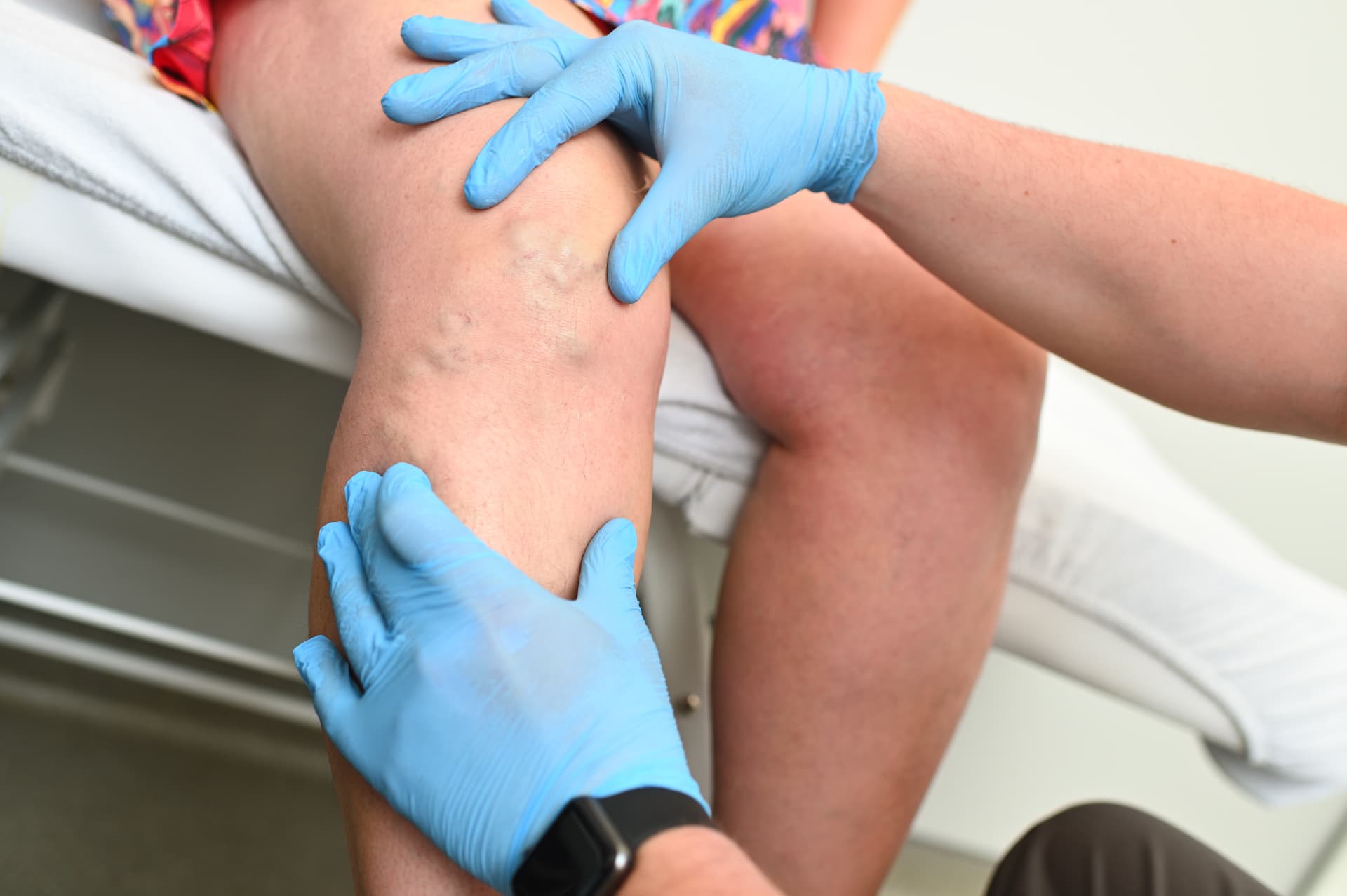
- Deep vein thrombosis (DVT) is a blood clot in a deep vein, usually in the lower leg, thigh, or pelvis. It can block a vein and cause damage to your leg.
- A pulmonary embolism (PE) can happen when a DVT breaks off and travels through the bloodstream to the lungs. A PE, especially if it is large, can damage your lungs and prevent your other organs from getting enough oxygen.
- Cerebral venous sinus thrombosis (CVST) is a rare blood clot in the venous sinuses in your brain. Normally the venous sinuses drain blood from your brain. CVST blocks the blood from draining and can cause a hemorrhagic stroke.
- Blood clots in other parts of the body can cause problems such as an ischemic stroke, a heart attack, kidney problems, kidney failure, and pregnancy-related problems.
Who is more likely to develop blood clots?
Certain factors can raise your risk of developing blood clots:
- Atherosclerosis
- Atrial fibrillation
- Being overweight or having obesity
- Cancer and cancer treatments
- Certain genetic disorders
- Certain surgeries
- COVID-19
- Diabetes
- Family history of blood clots
- Overweight and obesity
- Pregnancy and giving birth
- Serious injuries
- Some medicines, including birth control pills
- Smoking
- Staying in one position for a long time, such as being in the hospital or taking a long car or plane ride
What are the symptoms of blood clots?
The symptoms for blood clots can be different, depending on where the blood clot is:
- In the abdomen: Abdominal pain, nausea and vomiting
- In an arm or leg: Sudden or gradual pain, swelling, tenderness, and warmth
- In the lungs: Shortness of breath, pain with deep breathing, rapid breathing, and increased heart rate
- In the brain: Trouble speaking, vision problems, seizures, weakness on one side of the body, and sudden severe headache
- In the heart: Chest pain, sweating, shortness of breath, and pain in the left arm
How are blood clots diagnosed?
To find out if you have one or more blood clots, your health care provider:
- Will do a physical exam.
- Will take your medical history, which includes asking about your symptoms.
- May order blood tests, including a D-dimer test.
- May order imaging tests, such as
- Ultrasound.
- X-rays of the veins (venography) or blood vessels (angiography) that are taken after you get an injection of special dye. The dye shows up on the x-ray and allows the provider to see how the blood flows.
- CT Scan.
What are the treatments for blood clots?
Treatments for blood clots depend on where the blood clot is located and how severe it is. Treatments may include:
- Blood thinners.
- Other medicines, including thrombolytics. Thrombolytics are medicines that dissolve blood clots. They are usually used where the blood clots are severe.
- Surgery and other procedures to remove the blood clots
Can blood clots be prevented?
You may be able to help prevent blood clots by:
- Moving around as soon as possible after having been confined to your bed, such as after surgery, illness, or injury
- Getting up and moving around every few hours when you have to sit for long periods of time, for example if you are on a long flight or car trip
- Wearing compression stockings after surgery or during a long flight
- Regular physical activity
- Not smoking
- Staying at a healthy weight
Some people at high risk may need to take blood thinners to prevent blood clots.
Source: MedlinePlus: Blood Clots