South Louisiana Medical Associates
Call

Digestive, Kidney & Infections

Liver Disease and Hepatitis in Houma & South Louisiana

Learn the symptoms, causes, testing and treatment options for liver disease and hepatitis, and find SLMA providers in Houma, Thibodaux and South Louisiana who can help.

Liver Diseases

Liver Diseases

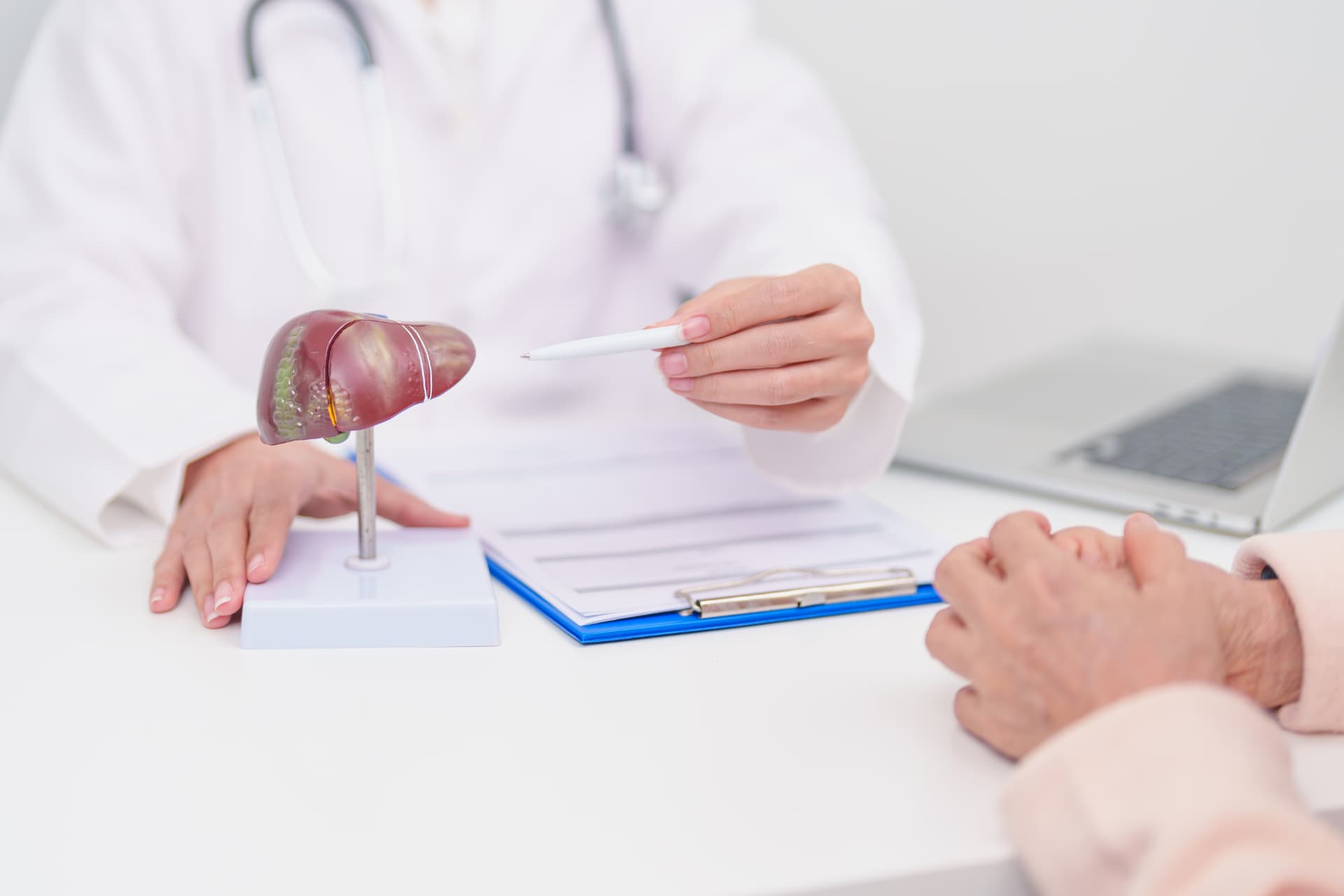
Your liver is the largest organ inside your body. It helps your body digest food, store energy, and remove poisons.

There are many kinds of liver diseases:

Symptoms of liver disease can vary, but they often include swelling of the abdomen and legs, bruising easily, changes in the color of your stool and urine, and jaundice, or yellowing of the skin and eyes. Sometimes there are no symptoms. Tests such as imaging tests and liver function tests can check for liver damage and help to diagnose liver diseases.

Source: MedlinePlus: Liver Diseases

Hepatitis

What is hepatitis?

Hepatitis is inflammation of the liver. Inflammation is swelling that happens when tissues of the body are injured or infected. It can damage your liver. This swelling and damage can affect how well your liver functions.

Hepatitis can be an acute (short-term) infection or a chronic (long-term) infection. Some types of hepatitis cause only acute infections. Other types can cause both acute and chronic infections.

What causes hepatitis?

There are different types of hepatitis, with different causes:

  • Viral hepatitis is the most common type. It is caused by one of several viruses -- hepatitis viruses A, B, C, D, and E. In the United States, A, B, and C are the most common.
  • Alcoholic hepatitis is caused by heavy alcohol use
  • Toxic hepatitis can be caused by certain poisons, chemicals, medicines, or supplements
  • Autoimmune hepatitis is a chronic type in which your body's immune system attacks your liver. The cause is not known, but genetics and your environment may play a role.

How is viral hepatitis spread?

Hepatitis A and hepatitis E usually spread through contact with food or water that was contaminated with an infected person's stool. You can also get hepatitis E by eating undercooked pork, deer, or shellfish.

Hepatitis B, hepatitis C, and hepatitis D spread through contact with the blood of someone who has the disease. Hepatitis B and D may also spread through contact with other body fluids. This can happen in many ways, such as sharing drug needles or having unprotected sex.

Who is at risk for hepatitis?

The risks are different for the different types of hepatitis. For example, with most of the viral types, your risk is higher if you have unprotected sex. People who drink a lot over long periods of time are at risk for alcoholic hepatitis.

What are the symptoms of hepatitis?

Some people with hepatitis do not have symptoms and do not know they are infected. If you do have symptoms, they may include:

If you have an acute infection, your symptoms can start anywhere between 2 weeks to 6 months after you got infected. If you have a chronic infection, you may not have symptoms until many years later.

What other problems can hepatitis cause?

Chronic hepatitis can lead to complications such as cirrhosis (scarring of the liver), liver failure, and liver cancer. Early diagnosis and treatment of chronic hepatitis may prevent these complications.

How is hepatitis diagnosed?

To diagnose hepatitis, your health care provider:

What are the treatments for hepatitis?

Treatment for hepatitis depends on which type you have and whether it is acute or chronic. Acute viral hepatitis often goes away on its own. To feel better, you may just need to rest and get enough fluids. But in some cases, it may be more serious. You might even need treatment in a hospital.

There are different medicines to treat the different chronic types of hepatitis. Possible other treatments may include surgery and other medical procedures. People who have alcoholic hepatitis need to stop drinking. If your chronic hepatitis leads to liver failure or liver cancer, you may need a liver transplant.

Can hepatitis be prevented?

There are different ways to prevent or lower your risk for hepatitis, depending on the type of hepatitis. For example, not drinking too much alcohol can prevent alcoholic hepatitis. There are vaccines to prevent hepatitis A and B. Autoimmune hepatitis cannot be prevented.

Source: MedlinePlus: Hepatitis (original source: NIH: National Institute of Diabetes and Digestive and Kidney Diseases)

Health information on this page is from MedlinePlus, a service of the U.S. National Library of Medicine (NLM), National Institutes of Health. Retrieved 09/25/2026. NLM does not endorse SLMA or any SLMA service. This information is for education and is not a substitute for advice from your healthcare provider.

See all providers ›

Providers shown change on each visit.

From SLMA

Related News & Health Topics

Health topic guides

  • Primary Care

    Hypertension

    High blood pressure can gradually affect the heart, blood vessels, kidneys, brain, and other organs. SLMA provides evaluation, treatment, medication management, and ongoing prim...

    Learn more ›
  • Primary Care Sports Medicine

    Sports EKGs

    A sports EKG records the electrical activity of an athlete’s heart and may help identify rhythm abnormalities or other findings that deserve further evaluation. SLMA provides sp...

    Learn more ›
  • Chronic Conditions & Preventive Care

    Diabetes and High Blood Sugar

    Learn the symptoms, causes, testing and treatment options for diabetes and high blood sugar, and find SLMA providers in Houma, Thibodaux and South Louisiana who can help.

    Learn more ›

News and articles

See all news ›

Online scheduling

Schedule Your Visit
With an SLMA Provider

Book online through your clinic's patient portal.

  • Book online

    Schedule through your clinic's patient portal, any time.

  • Provider choice

    See the SLMA provider, specialty or clinic that fits your needs.

  • Coordinated care

    Primary care and specialists work within one medical group.

A woman using her phone to book an appointment

Ready to be seen by an SLMA provider?

Book online through your clinic's patient portal.

Schedule Your Visit

SLMA Clinics

Book NowCallLocations