
Sports are a great way for kids and teens to be active, have fun and develop social skills, but they also can lead to injuries. Enjoying the benefits of sports while reducing the risk of injury is important for athletes of all ages. Let’s explore some of the most common sports injuries, how to prevent them and how to treat them so you can help your kids stay safe and have fun!
Common Sports Injuries in Kids and Teens
There are two main types of sports injuries: traumatic injuries and overuse injuries. Traumatic injuries have a sudden onset and are usually obvious, like a player who falls down holding their knee. However, overuse injuries, which result from repetitive demands over time, are more common.
Sprains and strains are two of the most common traumatic sports injuries. A sprain is an injury to the ligaments and a strain is an injury to the muscle fibers or tendons.
Tips for Preventing Sports Injuries
While it’s not possible to completely avoid all sports injuries, taking preventative measures helps greatly reduce the likelihood of both traumatic and overuse injuries in young athletes. Here are some tips for helping prevent sports injuries:
- Talk to your young athlete – Make sure your child or teen knows they should talk with you if something doesn’t feel right or they are experiencing pain.
- Get a preseason physical – Sports physicals are a great way to evaluate whether your athlete is in good shape to play. They assess areas of concern before the season begins which helps prevent further injury if there is a condition that needs to be addressed.
- Set realistic goals – Working toward specific goals, like lifting a certain amount of weight, is great, but make the goals realistic and work toward them gradually to reduce the risk of injury.
- Encourage variety – Cross-training and playing a variety of sports is a great way to minimize the risk of overuse injuries. Playing the same sport year round puts continued stress on the same joints and muscles, but switching up activities spreads out the stress and uses different parts of the body.
- Warm up – A proper warm up is crucial before beginning activity and should be part of the regular routine for athletes. Heated muscles are less likely to suffer strains.
- Cool down – Cooling down the body properly after activity is also important.
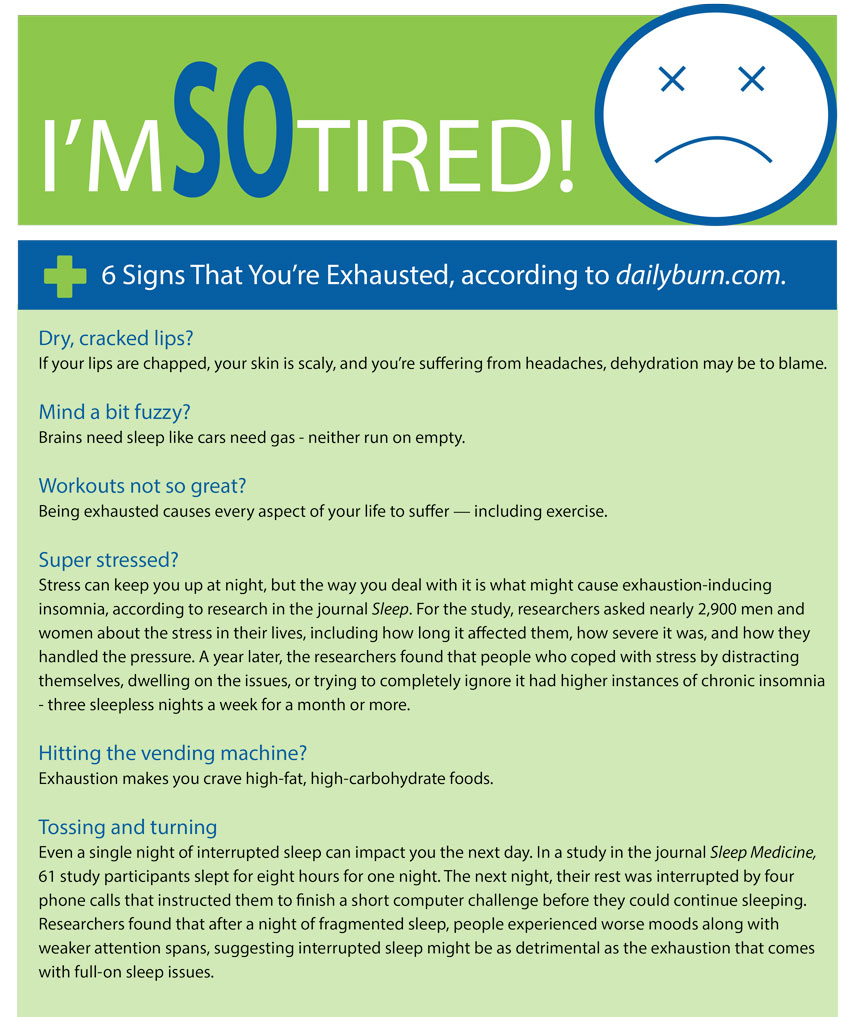
- Rest – Athletes need time to rest between practices, games and other activities. Muscle fatigue and tiredness make athletes more prone to injury, and continuous activity increases the likelihood of overuse injuries. Plan for at least one day of rest per week and one month off per year.
- Focus on diet – A healthy, well-balanced diet is important for young athletes to make sure they get the nutrients they need. This should include plenty of fruits, vegetables and lean protein eaten at regular times each day.
- Emphasize hydration – Getting enough water is also very important. Heat-related illnesses are a problem, especially in South Louisiana where it’s hot and humid for the majority of the year. Help your young athlete stay safe by making sure they drink plenty of water before, during and after activity.
- Wear the proper equipment – Protective equipment, including helmets, shoes and pads, is necessary for all athletes to reduce the risk of injury. Make sure your child has the proper protective equipment for the sport, that it fits properly and that they wear it regularly.
- Follow proper techniques – All athletes should learn how to do things the correct way to reduce the risk of injury. For example, football players need to learn and follow the proper technique for tackling.
- Recognize injury – Waiting to get help for an injury and playing through the pain makes things worse. If parents notice a change in the way their child is performing, they should pull them from play and seek assessment if the problem continues. Early treatment reduces the potential for more serious injury and helps athletes get back to full activity more quickly.
- Adjust activity – Give your young athlete time to adjust to a new sport and gradually increase training levels. If they show signs of stress, like joint pain, cut back or adjust activity.
- Pay attention – Teach children and teens to watch for others and pay attention to what’s happening around them during practice, games and other activities.
Treating Sports Injuries
Most sports injuries are mild or moderate and respond well to home treatment. Seek professional medical care if home treatments don’t result in improvements after a few days. If your athlete suffers from a traumatic or overuse injury, use the PRICE method to help them recover:
- P – Protect: Use a bandage, pad or splint as necessary to protect the injured area.
- R – Rest: Restrict activity and give the body time to heal.
- I – Ice: Apply ice after injury to help reduce pain and inflammation. Apply ice for 20 minutes every hour or two during the first 48 hours, and avoid the use of heat during this period.
- C – Compression: Apply compression with an elastic bandage to minimize swelling.
- E – Elevate: Keeping the injured area above the level of the heart also helps reduce swelling.
When to Seek Medical Care
Sometimes home treatment isn’t enough and you need to take your child or teen to see a doctor. If you notice any of the following signs, seek professional medical care:
- Consistent pain during or after activity
- New or lasting swelling around a joint
- Inability to bear weight
- Painful pops
- Skin color changes beyond mild bruising
- Pain that doesn’t improve with rest
- Deformities in the bone or joint
- Excessive swelling
Help your child or teen enjoy sports while reducing their risk for injuries by following these prevention tips and dealing with injuries promptly. If your child was injured while playing sports, call 1-985-873-5130 to schedule an appointment with one of our orthopedic specialists.