The statistics are overwhelming: One in eight women will be diagnosed with the invasive type of breast cancer during their lifetime. In the current year alone, new cases of invasive breast cancer are expected to exceed 231,000 with another 69,000 cases of non-invasive breast cancer. In spite of the decline in the number of cases in the U.S., breast cancer is still the second leading cause of death among women. Understanding Breast Cancer
The structure of the normal female breasts include the milk-producing glands called lobules, the ducts and the surrounding tissues consisting of fatty and connective tissues. Cancerous growth typically start in the ductal cells. Lobular cancer cases are not as common and cancerous growth in tissues are even less so.
Risk Factors for Cancer
Risk factors indicate the likelihood that you will be affected by the disease. For breast cancer, the risk factors include genetics, age and gender. Most breast cancer cases involve females although males may develop cancer also. Many cases can be traced back to mutations of the BRCA1 and BRCA2 genes. Other risk factors include a history of breast cancer in the family, ethnicity, certain pre-existing breast conditions and lifestyle-related conditions such as smoking and drinking, obesity and exposure to certain chemicals. Clearly, there isn’t much that anyone can do about many of the risk factors. Making smarter lifestyle choices such as restricting alcohol intake, maintaining body weight at healthy levels and limiting exposure to carcinogens may help prevent cancer.
Breast Cancer Screening
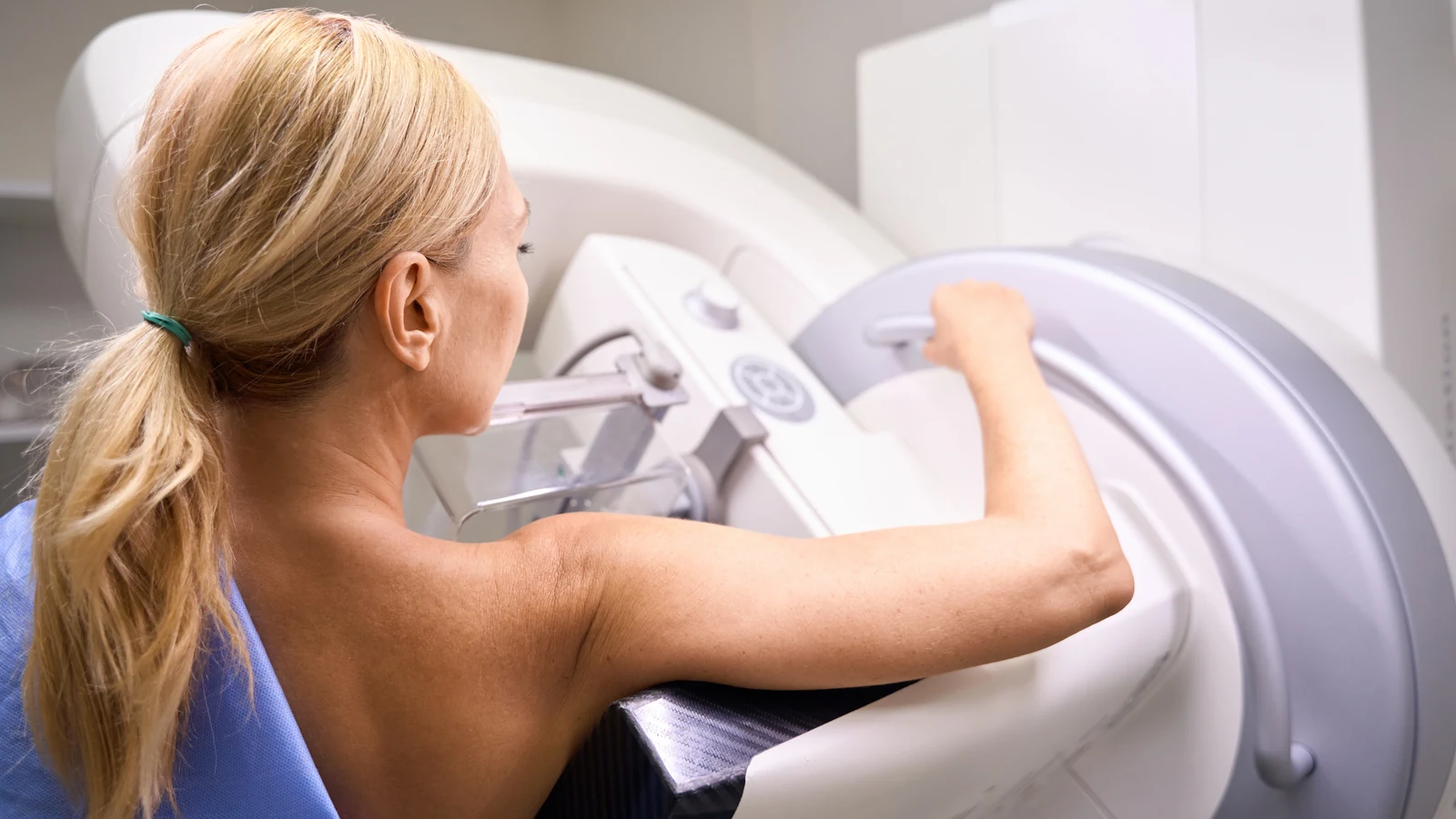
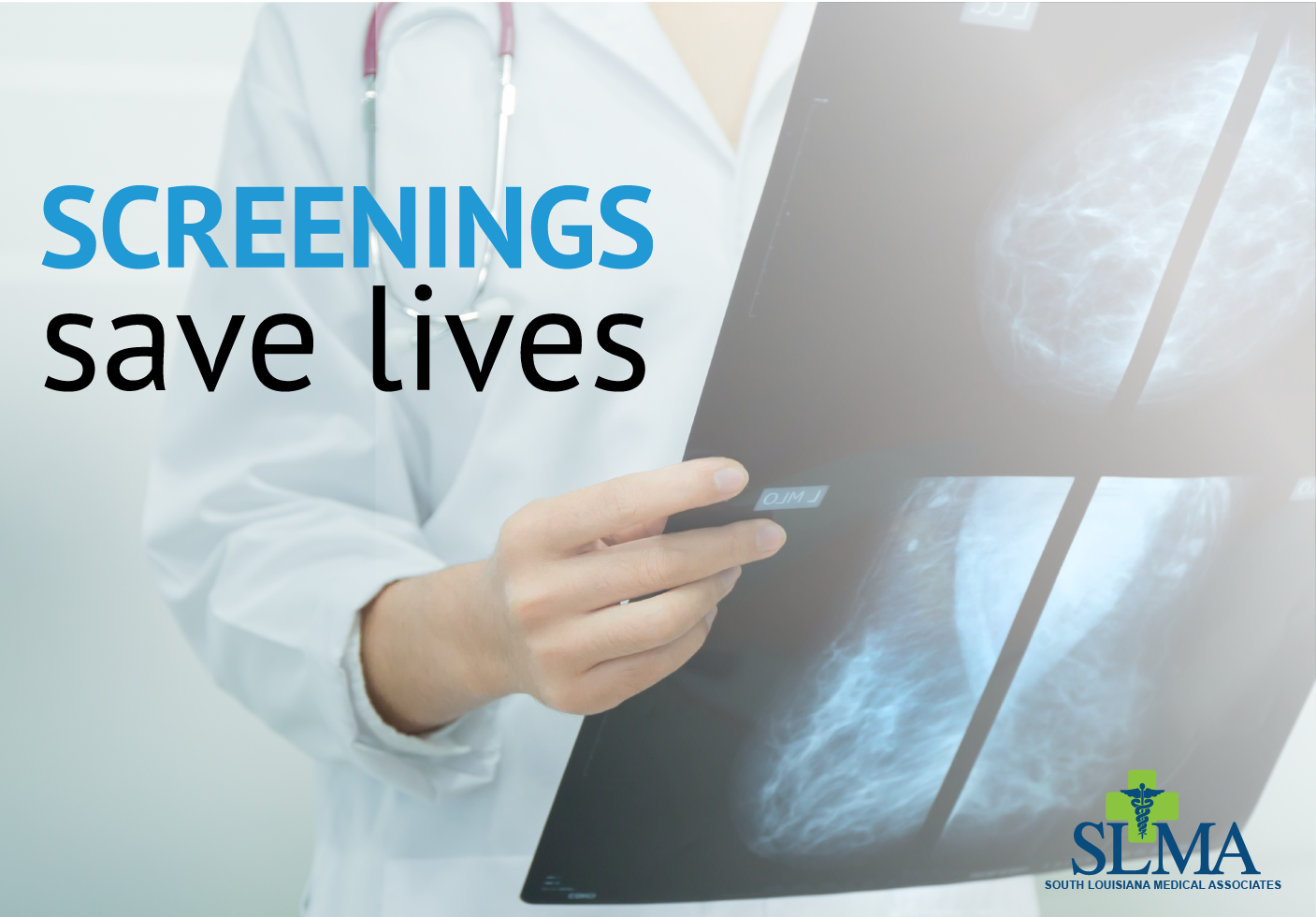
Breast cancer screening entails examinations using various tests and tools in people with no symptoms. Screening facilitates early detection, which in turn ensures that patients can get the care they need earlier rather than later. Cancer that is found during the screening process is typically smaller compared to tumors that are detected when a patient is already symptomatic. Prognosis depends on the size of the cancer and the extent that it has spread to other tissues and organs. The American Cancer Society recommends the following guidelines for breast cancer screening: • Women who are at least 40 years old should schedule a mammogram annually. This test should be scheduled yearly even if the person has no symptoms • Women who are between the ages of 20 and 30 should schedule a clinical breast exam every three years. Discuss your concerns and risk factors with a medical professional. • Breast self-examination is recommended for women starting in their 20s. This technique encourages you to get to know your body and to become aware of changes such as lumps or any thickening of the skin. • Women who have several of the risk factors should have a mammogram or an MRI every year. This high-risk group includes those who have the BRCA1 or BRCA2 gene mutation, have a family member with breast cancer or whose lifetime risk is measured at 20 to 25 percent based on certain risk assessment tools.
Early Screening is Key
From all indications, screening is crucial to breast cancer survival. Knowing your risk factors and making lifestyle changes to improve your health are steps in the right direction. Schedule your breast cancer screening at one of our Comprehensive Healthcare Clinics today.