
Breast cancer screening tests are used to identify signs of cancer before any symptoms or warning signs appear. Screening tests allow us to detect cancer in its earliest stages, so that we can begin treatment when it offers the best chance of success.
Breast cancer screening tests cannot prevent breast cancer, but regular exams and tests act as a preventative process, helping to detect cancer as it forms. Talk to your doctor about which breast cancer screening tests are right for you and how often you should have them.
Clinical Breast Exams
The clinical breast exam (CBE) is the most basic method of screening for cancer. It is not a fully conclusive test, but it is a quick and easy option for people who are not at a high risk of developing the cancer.
The process is simple and often part of a normal physical exam. During the exam, a doctor will carefully feel the breasts and the area around them to check for lumps and other abnormalities. If they find any potential problems, they will perform a more thorough examination to determine what they are. Most of the identified abnormalities are not cancerous, so just because they find something does not necessarily mean you need to worry.
Mammograms
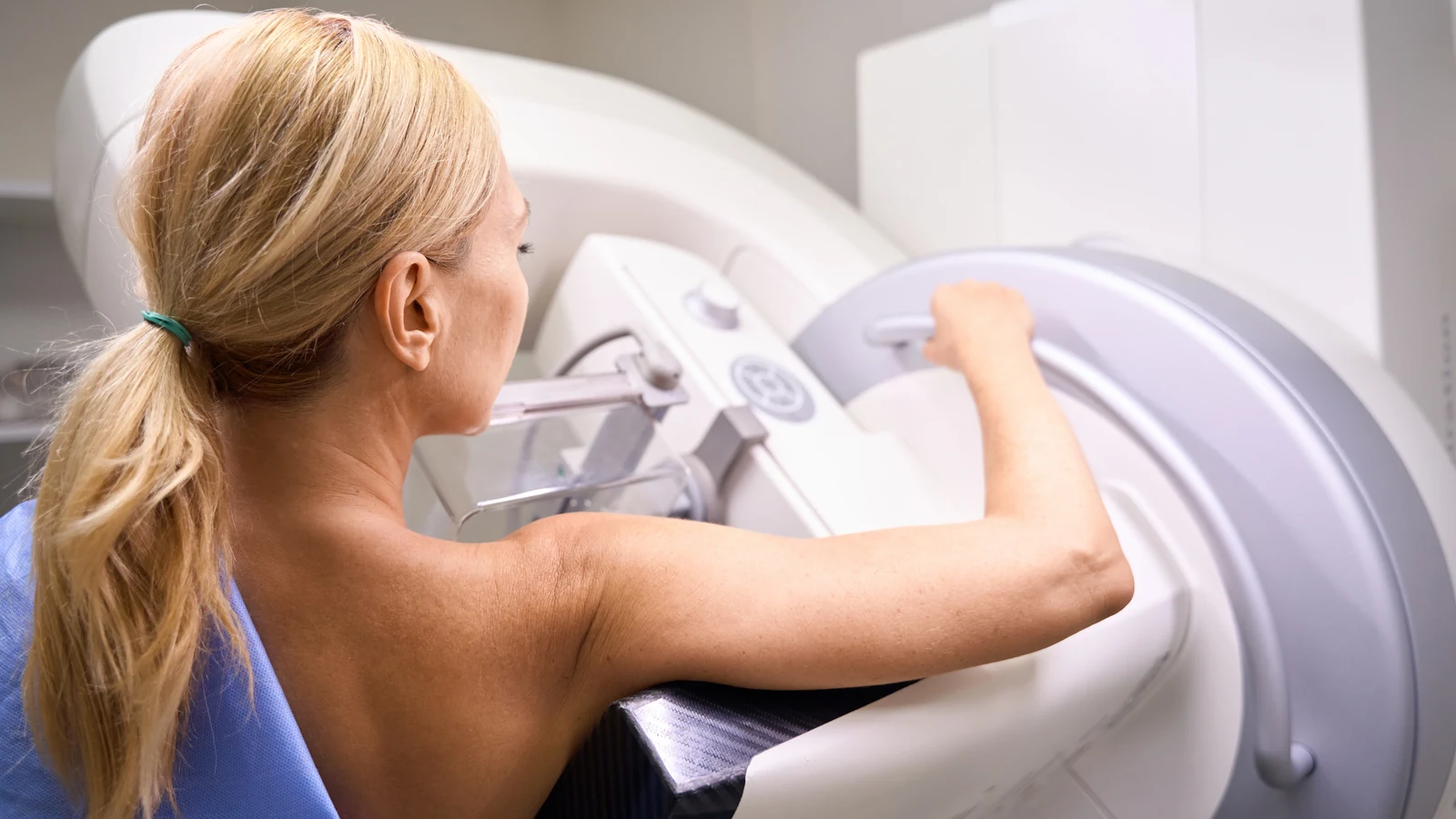
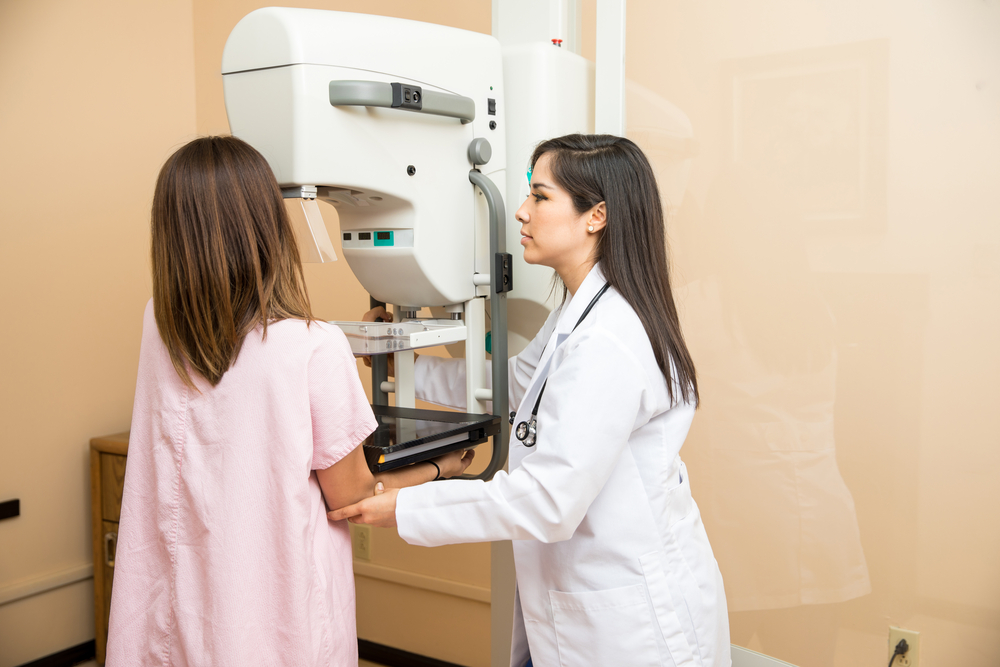
Mammograms are a little more complex, but they are also one of the best tools at our disposal. They are essentially X-ray images of the breast tissue that allow us to look below the skin to check for abnormalities, making it easy to detect cancer in its earliest stages.
There are two basic mammogram types:
Screening mammograms are the most common. Screening mammograms are used for people who do not have any symptoms of cancer but want to be sure that they are not developing any problems.
Diagnostic mammograms are primarily used for people who have already shown signs or symptoms of breast cancer, but they can be used as a tool to screen patients who have had cancer in the past.
While getting a mammogram is a little more involved than getting a CBE, the process is still simple. This is what you should expect:
- Undress from the waist up. You should be sure to wear pants or a skirt to the appointment instead of a full dress to make this easier.
- You may need to discuss your medical history with the technician, and you should make sure they know if you might be pregnant or if you are breastfeeding.
- The technician will move your breasts into position and compress them between two plates. The compression does not last long.
- The technician will take the images.
Breast MRI
A breast MRI is generally used to screen patients who have an unusually high risk for developing breast cancer. It is more invasive than a mammogram and has a higher risk of false positives, but it also has a higher detection rate. Most people won’t need a breast MRI, but you should discuss it with your doctor to see if it is the right screening test for you.
Breast MRI uses magnetic fields to create a comprehensive image of the breasts from a variety of angles that can be useful to a specialist.
The MRI equipment may be complicated, but your job during the exam is simple. You will need to undress and remove all metal from your body. The technician may give you an injection of a contrasting dye to make the images more clear. The technician or doctor will help to position you in the machine and ask that you remain as still as possible while the images are taken. The whole procedure can take up to an hour, and you may need to wait longer while a specialist examines the images to get the results.
Regular breast cancer screenings are important for all women. If you’re at a higher-than-average risk of breast cancer, you may need to be screened earlier or more often than others. It’s important to talk to your doctor or healthcare provider about your breast cancer screening options and to notify them of any abnormalities or changes in your breast or underarm area to help rule out breast cancer. For more information about breast screening tests and how often to have them, contact us today.