Read Time: 3.5 minutes
TL;DR
- Mammograms are a type of imaging test used to screen for breast cancer. They use a low-dose x-ray to take pictures of the breasts so doctors can look for changes in the tissue.
- There are two basic types of mammograms: screening mammograms and diagnostic mammograms. Screening mammograms are used as a regular screening test for women without breast symptoms or problems. Diagnostic mammograms are used to look at breasts in women with breasts symptoms or when a screening mammogram shows a change.
- Mammograms can reveal abnormal areas in the breasts. They don’t show whether these areas are breast cancer or not, but they provide doctors with information they can use to determine if additional testing is required.
- Many people are rightfully nervous about exposure to radiation. Although this is a reasonable concern, the benefits of getting routine mammograms far outweigh the possible risks of radiation exposure.
- Mammograms are an important screening tool that can help detect breast cancer early, when it’s easier to treat. Give your breasts the attention they deserve throughout the year by scheduling routine mammograms.
Breast Cancer Awareness Month in October is the time of year when most people think about their breast health, but just because it’s not October doesn’t mean you should put your breast health on the back burner. Getting the recommended screenings can help to catch breast cancer early while it’s easier to treat. Prepare for your next mammogram by learning more about the procedure.
What is a Mammogram?
Mammograms are a type of imaging test used to screen for breast cancer. They use a low-dose x-ray to take pictures of the breasts so doctors can look for changes in the tissue. Mammograms are often able to detect breast cancer early when it’s easier to treat. Small lumps that can’t be felt yet can often be detected with a mammogram.
Types of Mammograms
There are two basic types of mammograms:
- Screening mammograms – Used as a regular screening test for women without breast symptoms or problems. X-ray pictures show the breasts from two different angles.
- Diagnostic mammograms – Used to look at the breasts of women with symptoms or when a screening mammogram shows a change. Women who had breast cancer in the past may receive diagnostic mammograms in place of their regular screening tests. Additional images of the breasts give doctors a more complete picture.
What Mammograms Show
Mammograms can reveal abnormal areas in the breasts. They don’t show whether these areas are breast cancer or not, but they provide doctors with information they can use to determine if additional testing is required. Mammograms often reveal two main types of changes: calcifications and masses.
How Do Mammograms Work?
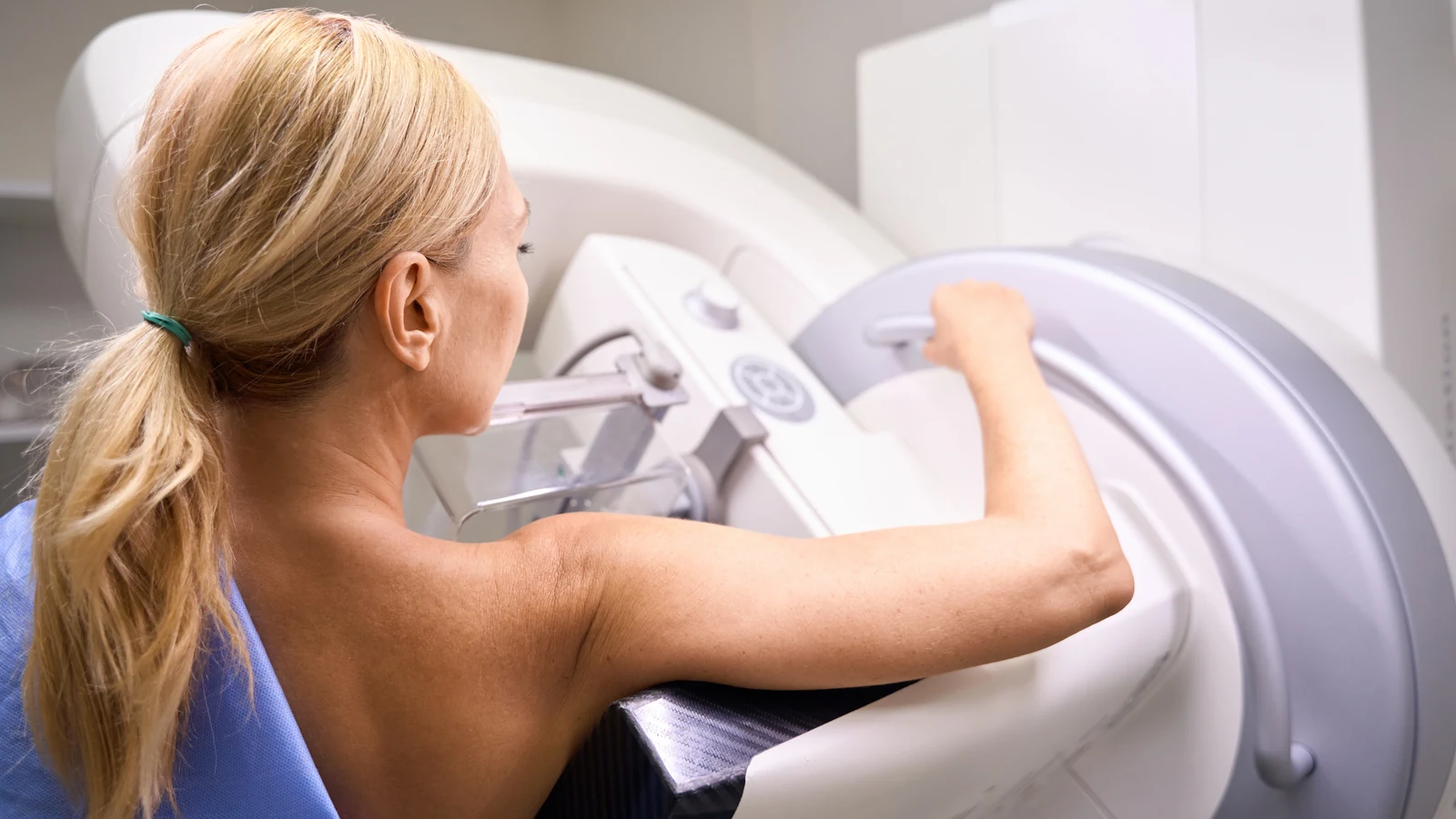
A machine designed to look at the breast tissue is used for mammograms. It’s difficult for these low-dose x-rays to go through the tissue, so the breast must be compressed to help spread the tissue apart. The machine has two plates that flatten the breast tissue so it can create a better picture with less radiation.
The Safety of Mammograms
Many people are rightfully nervous about exposure to radiation. Although this is a reasonable concern, the benefits of getting routine mammograms far outweigh the possible risks of radiation exposure. Thanks to the low-dose x-rays used, mammograms are considered safe. The dose of radiation is so low that it’s about the same as the amount of radiation people get from their natural surroundings over a period of about seven weeks.
Pregnant women are generally not given mammograms, even though the risk to the fetus is thought to be very small. If you think you might be pregnant, talk to your doctor before considering a mammogram.
Preparing for a Mammogram
Get ready for your mammogram with these tips:
- Try to use a facility that regularly performs mammograms.
- Go to the same facility for all your mammograms, when possible.
- If you visit a new facility, bring records of previous mammograms and other breast treatments.
- Schedule a mammogram for a time when your breasts are unlikely to be sore or swollen; avoid the week before your period.
- Don’t wear antiperspirant or deodorant on the day of the exam.
- Wear pants or a skirt with a top to the facility so you only need to take off your top and bra.
- Talk to your doctor about any changes or problems with your breasts before the mammogram.
- Describe breast changes or problems as well as medical history that could impact your risk for breast cancer with the technician before they begin the mammogram.
What to Expect During a Mammogram
On the day of a screening mammogram, you can expect the following:
- You’ll need to undress from the waist up and will be given a wrap to wear.
- Always tell the technician if you think you might be pregnant or are breastfeeding.
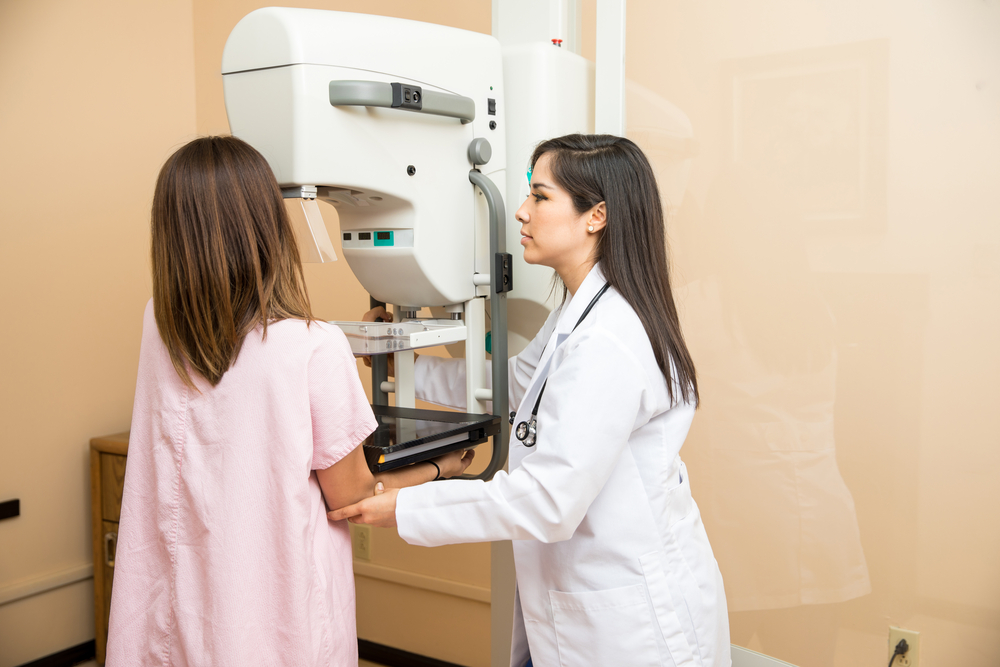
- The technician positions your breasts for the exam by placing them on the machine’s plate. A plastic upper plate then compresses the breast while the technician takes the pictures.
- The entire process takes about 20 minutes, but the breast compression is only a few seconds.
- Breast compression can cause discomfort and some women experience pain, but tell the technician if you find the compression painful.
For a diagnostic mammogram, the procedure is similar but the technician takes more pictures and the images are checked by a doctor before you leave. They can also use special images to make small areas easier to see.
Mammograms are an important screening tool that can help detect breast cancer early, when it’s easier to treat. Give your breasts the attention they deserve throughout the year by scheduling your routine mammogram today.