What are cataracts?
A cataract is a clouding of the clear lens inside your eye. This cloudiness blocks light from reaching the back of the eye, making it harder to see clearly. A cataract can affect one or both eyes, but it doesn't spread from one eye to the other.
Cataracts usually develop slowly. As they get worse, your vision can become blurry or dim. Brighter lighting or new eyeglasses may help at first, but if cataracts begin to interfere with your daily activities, you may need cataract surgery.
Without treatment, cataracts can cause severe or even permanent loss of vision.
What causes cataracts?
Most cataracts develop as part of the normal aging process. This happens when the protein in the lens of your eye clumps together. Over time, these protein clumps grow larger and thicker, making it harder to see. The lens may turn yellow or brown, which can affect how you see colors.
Cataracts can also develop after an eye injury or surgery for another eye condition, like glaucoma.
Who is more likely to develop cataracts?
Cataracts are very common in older adults. By age 80, more than half of all Americans either have a cataract or have had cataract surgery. Your risk for developing cataracts increases as you get older. You may also be at an increased risk if you:
What are the symptoms of cataracts?
You may not notice cataracts at first because they usually develop slowly. That's why regular eye exams are important. Common symptoms may include:
- Blurry or cloudy vision
- Colors that seem faded
- Glare from headlights, lamps, or sunlight that seems too bright
- Halos around lights
- Not being able to see well at night
- Double vision (this may go away as the cataract gets bigger)
- Frequent changes in your glasses or contact lens prescription
- Trouble reading or doing other everyday activities
Talk with your provider about these symptoms since they could also be signs of other eye problems.
How are cataracts diagnosed?
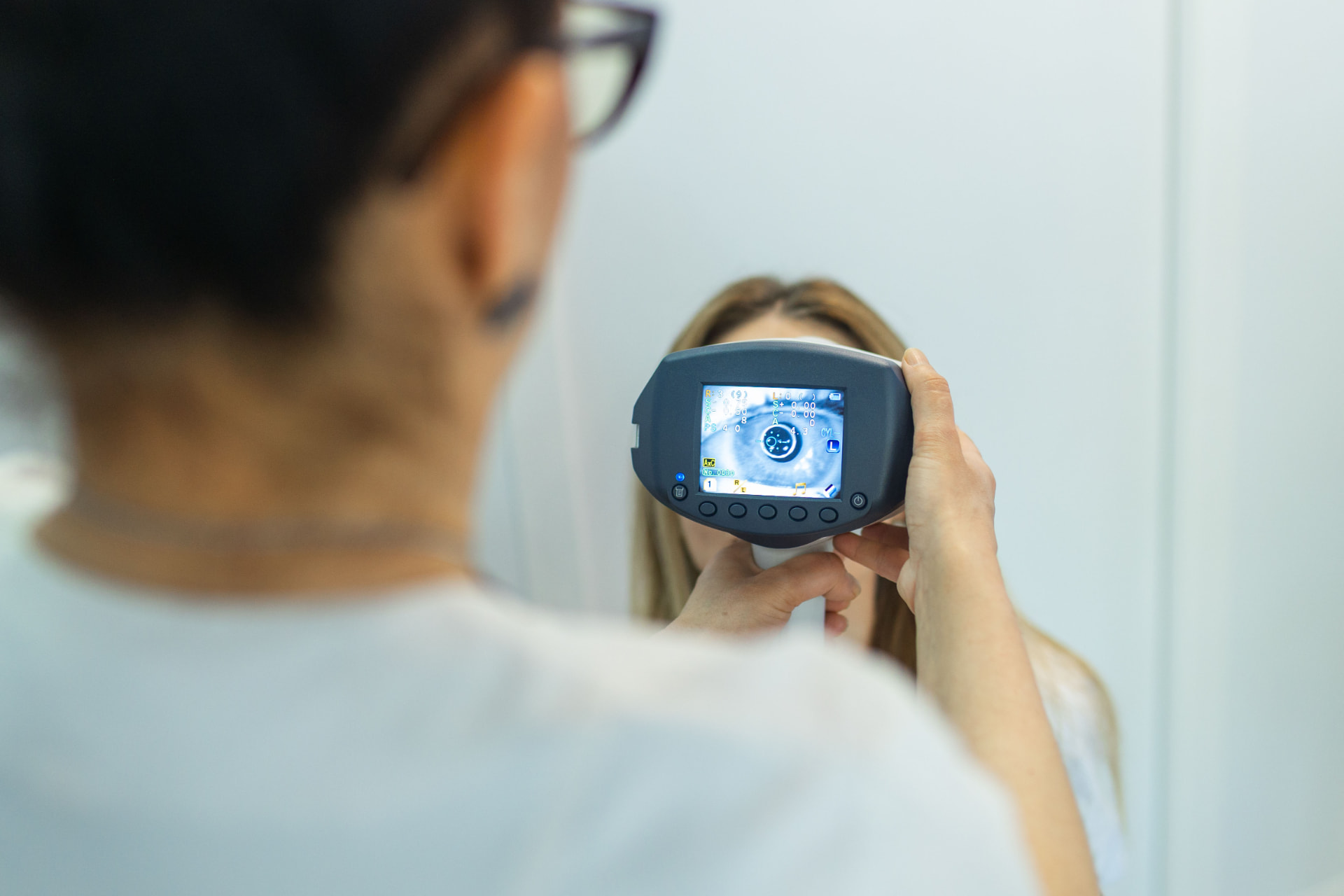
A comprehensive eye exam is the best way to check for cataracts. Your provider will do several tests to check your vision and eye health. This includes a dilated eye exam, where your pupils are widened with special eye drops. This allows more light to enter your eye so your provider can clearly see tissues at the back.
How are cataracts treated?
Surgery is the only way to remove a cataract. At first, you may be able to improve your vision with new glasses and brighter lighting. But if cataracts are getting in the way of everyday activities like reading, driving, or watching TV, surgery is an option. During surgery, the cloudy lens is removed and replaced with an artificial lens, called an intraocular lens (IOL).
Can cataracts be prevented?
If you're worried that you're at risk for cataracts, talk to your provider to see if there's anything you can do to lower your risk. A few ways to protect your eyes include:
- Wear sunglasses and a wide-brimmed hat to block ultraviolet (UV) sunlight and help delay cataracts.
- Protect your eyes from injury when using power tools or playing certain sports.
- Eat a healthy diet with plenty of fruits, vegetables, leafy greens, nuts, and whole grains.
Source: MedlinePlus: Cataract (original source: NIH: National Eye Institute)