What is glaucoma?
Glaucoma is a group of diseases that can damage the optic nerve of one, or both, of your eyes. This can result in vision loss. There are different types of glaucoma, but the most common type is open-angle glaucoma. Other less common types include angle-closure glaucoma, and congenital glaucoma.
You may not have any symptoms of glaucoma. Regular eye exams by an eye care provider can check for glaucoma and other eye problems to help protect your vision. Treatments that lower eye pressure help slow the disease. Without treatment, glaucoma can eventually lead to blindness.
What causes glaucoma?
Medical experts aren't sure what causes glaucoma, but the most common types usually happen when the fluid pressure inside your eye slowly rises, damaging the optic nerve. Other types of glaucoma may be caused by medical conditions, or a baby may be born with it.
Not everyone with high eye pressure develops glaucoma. Some people may even get glaucoma with normal eye pressure. The amount of pressure your optic nerve can handle is different for each person. Getting regular dilated eye exams helps your provider figure out what level of eye pressure is normal for you.
What are the symptoms of glaucoma?
Often there are no symptoms of glaucoma at first. Or symptoms may start so slowly that you may not notice them. Without treatment, you slowly lose your peripheral (side) vision. It may seem like you're looking through a tunnel. Over time, your straight-ahead vision may decrease until no vision remains.
If you have sudden symptoms of intense eye pain, blurry vision, red eyes, or an upset stomach (nausea), you need to go to your eye care provider or an emergency room right away. These could be symptoms of angle-closure glaucoma. This less common type of glaucoma causes fluid to build up quickly in your eye.
How is glaucoma diagnosed?
A comprehensive eye exam can tell if you have glaucoma. This would include:
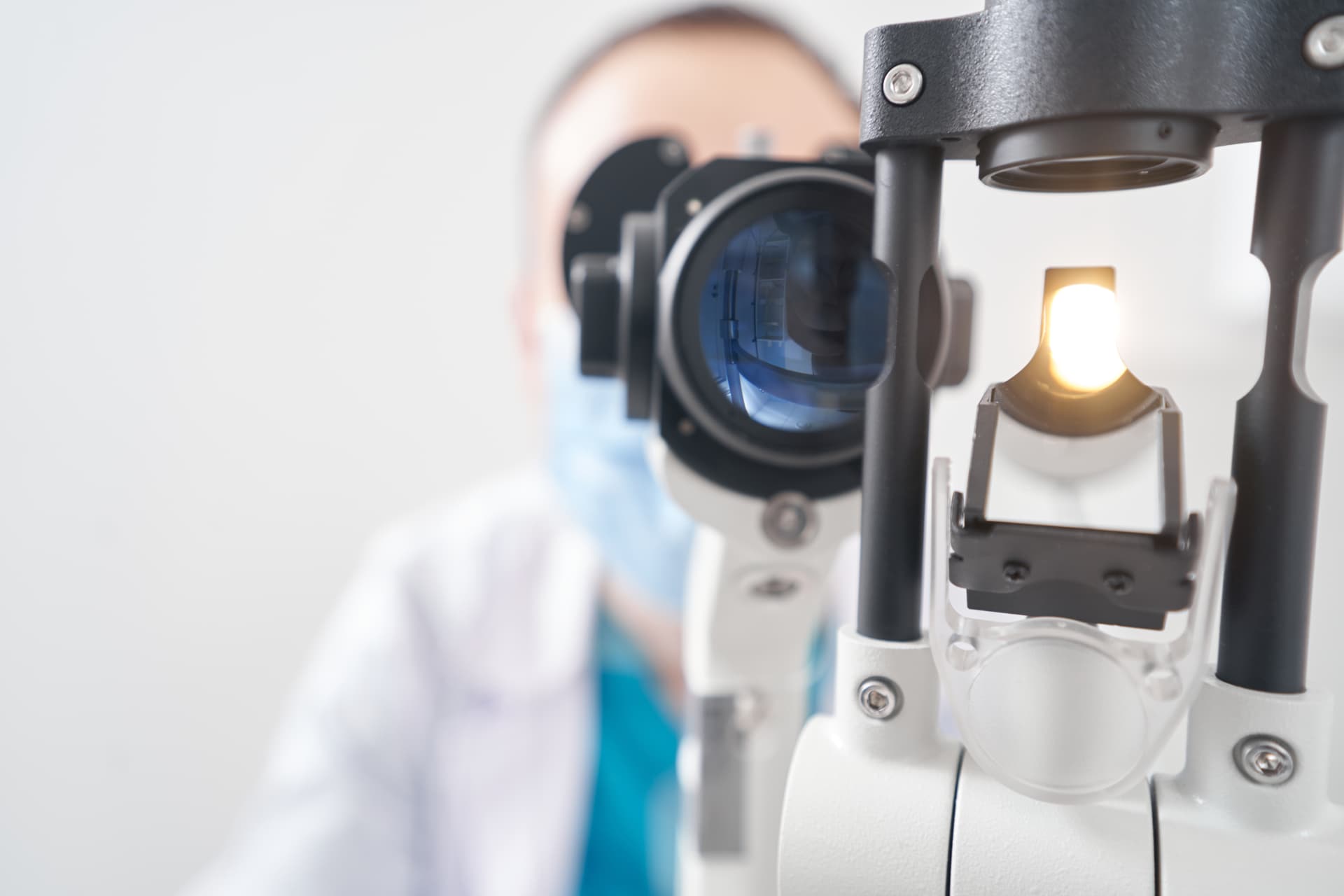
- A dilated eye exam. This involves getting eye drops that dilate (widen) your pupils. This allows more light to enter your eye. Your eye care provider examines your eyes using a special magnifying lens. This provides a clear view of important tissues at the back of your eye to check for glaucoma or other eye problems. For a few hours after the exam your vision may be blurry and sensitive to light, so you will need someone to take you home.
- Visual field testing. This check of your peripheral (side) vision allows your eye care provider to find out how well you can see objects off to the side of your vision without moving your eyes.
- Tonometry. This measures the pressure inside your eye.
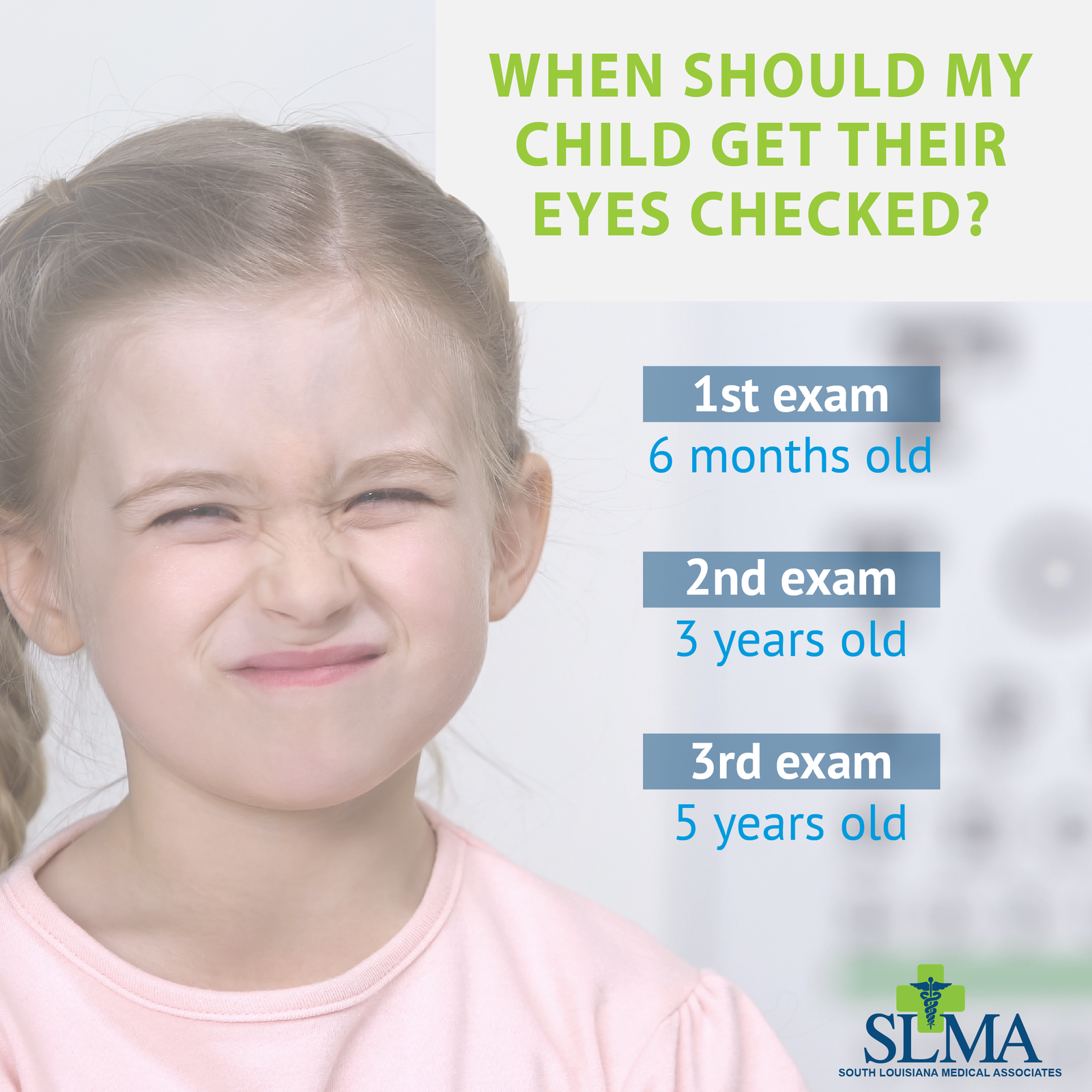
If you're at higher risk for glaucoma, you should get comprehensive eye exams every one to two years. You're at higher risk if you:
- Are Black or African American and over age 40
- Are over age 60, especially if you're Hispanic or Latino
- Have a family history of glaucoma
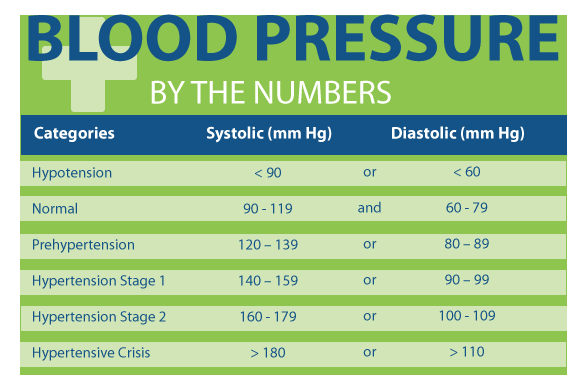
You're also at higher risk if you have high blood pressure or diabetes and should get a dilated eye exam at least once a year. Talk with your provider about your risk and how often you should get your eyes checked.
What are the treatments for glaucoma?
Early treatment can help protect your eyes against vision loss. There is no cure, but glaucoma can usually be controlled. Without treatment it can eventually cause blindness. Treatments can include:
- Prescription eye drops are the most common treatment to lower the pressure in your eye and prevent damage to your optic nerve.
- Other treatments may include oral medicines, laser treatment, and/or surgery.
A combination of these treatments may be used to lower eye pressure and help drain the fluid out of your eye.
Can glaucoma be prevented?
There is no way to prevent glaucoma. Eye exams can help find glaucoma or other eye problems before they can affect your vision. If you have glaucoma, be sure to continue with treatment to prevent your vision from getting worse.
Source: MedlinePlus: Glaucoma (original source: NIH: National Eye Institute)