
A recent tragedy following the NYC Marathon is a heartbreaking reminder of how important it is for athletes to understand the risks associated with intense physical activity. South Louisiana Medical Associates is sharing athlete-safety education about rhabdomyolysis, also known as rhabdo. This information does not establish the cause of the tragedy.
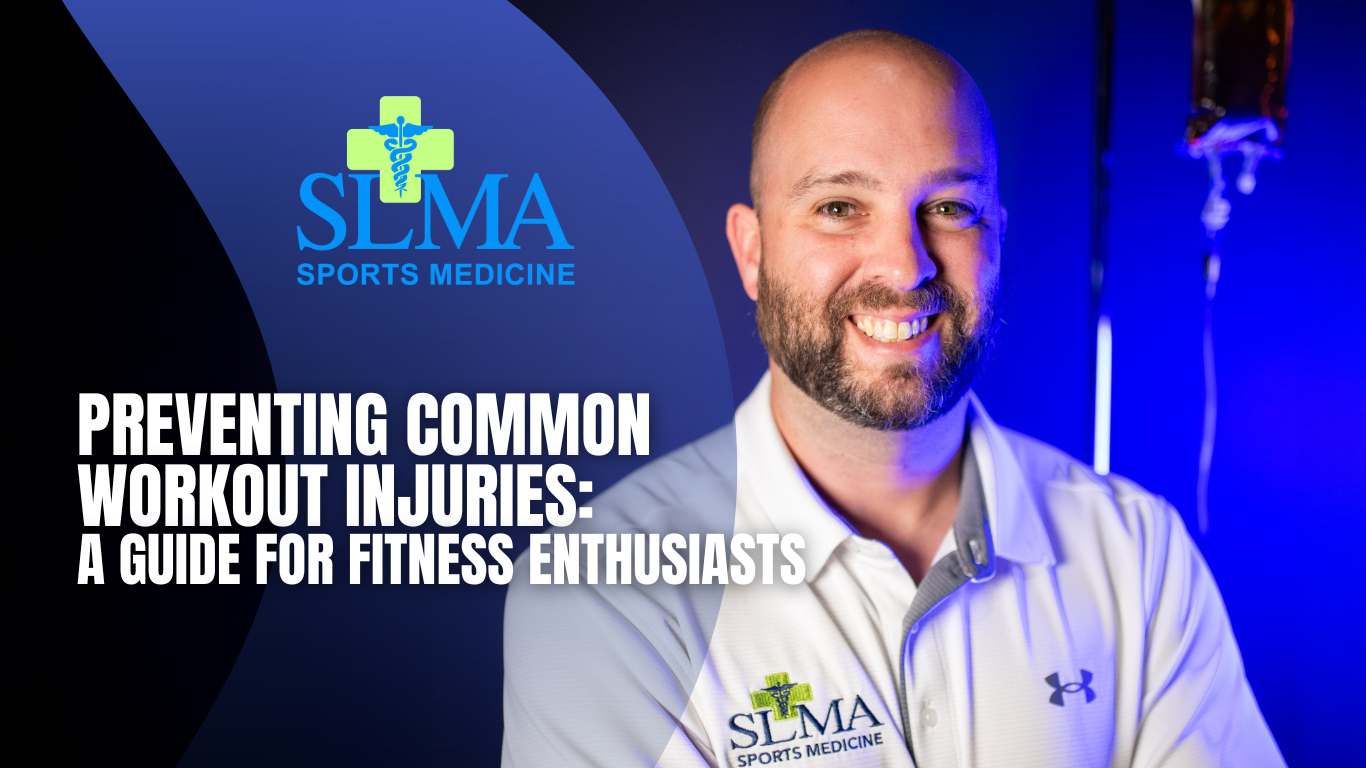
In the video below, SLMA Sports Medicine physician Dr. Joseph Garcia explains what happens inside the body when rhabdomyolysis occurs, why it can be dangerous and the warning signs athletes should watch for.
Warning Signs Athletes Should Know
Signs and symptoms of rhabdomyolysis can include:
- Severe muscle pain, cramping or tenderness
- Muscle swelling or weakness
- Dark, tea-colored or cola-colored urine
- Decreased urine output
- Unusual fatigue or feeling extremely weak
Not every symptom will be present, and symptoms can develop hours or even days after intense exercise. Normal-looking urine does not rule out rhabdomyolysis. Do not wait for all the warning signs to appear.
Why Prompt Medical Evaluation Matters
Rhabdomyolysis occurs when damaged muscle cells break down and release their contents into the bloodstream. Those substances can harm the kidneys, and muscle breakdown can also disrupt the body’s electrolyte balance. Serious complications, including kidney damage, require prompt medical evaluation.
For those involved in CrossFit, marathon running, high-intensity workouts and endurance sports, recognizing these symptoms is incredibly important. Unusual pain, weakness or changes in urination should not be dismissed as ordinary post-workout soreness.
Go to an emergency department immediately if you suspect rhabdomyolysis. Do not wait for a routine clinic appointment or attempt to treat it at home with water alone. Call 911 for collapse, confusion, severe breathing difficulty or other life-threatening symptoms.
Athlete Education Is Part of Athlete Safety
At SLMA Sports Medicine, we believe athlete education is just as important as athletic performance. Knowing the warning signs, listening to your body and seeking medical attention when something doesn’t feel right could save a life.
Our thoughts are with the family and loved ones affected by this tragedy. Please take a moment to watch Dr. Garcia’s video, learn the warning signs and share this information with your fellow athletes.
Sources
- MedlinePlus: Rhabdomyolysis (opens in a new tab) — Medical reference reviewed September 2, 2025.
- MedlinePlus: Creatine Kinase (opens in a new tab)
This information is for education and is not a substitute for advice from your healthcare provider. MedlinePlus is a service of the U.S. National Library of Medicine, National Institutes of Health. NLM does not endorse SLMA or any SLMA service.