
Colorectal cancer isn’t quite as well-known as many other types, but it can be just as dangerous. It is actually one of the most common cancers in developed nations. A combination of early screening and lifestyle changes can greatly reduce the odds of developing this cancer and make it easier to treat, so we feel it is important for everyone to know about it.
What is Colorectal Cancer?
Colorectal cancer is an unusual and unhealthy growth of cells in the rectum or the colon. It often leads to the formation of polyps (abnormal tissue growths that look like small, flat bumps) and problems with the bowels, such as constipation and bloody stool, but it can also cause nausea, weight loss and other digestive issues. It does have the potential to be fatal in the long term.
Fortunately, it is also possible to treat many cases of colorectal cancer. Surgery and other methods can be used for both curative and palliative care. It is generally easiest to treat cancers that have not spread out of the wall of the colon, which means that catching it early is vital. In some cases, doctors can even remove polyps from the body before they turn into cancer! That means that early screening has the potential to save lives.
When Should You Get Screened?
The vast majority of people who develop colorectal cancer are at least 50 years old. It can occur in younger people, but that is fairly rare. Most people will want to start getting screened when they reach that age, although there are some groups that call for screening from the age of 45.
There are also risk factors that make a person more likely to develop this cancer. People who have these factors should make screening a priority and consider starting at an earlier age:
- A family history of colorectal cancer
- A personal history of Crohn’s disease, inflammatory bowel disease or similar medical issues
- Smoking
- Heavy alcohol use
- Obesity
- Physical inactivity
- A diet that includes a lot of red or processed meat
There are a lot of factors at work, so it can be hard for individuals to assess their risk. We encourage everyone to go over their medical history with a professional to decide if they need to get screened.
The Process
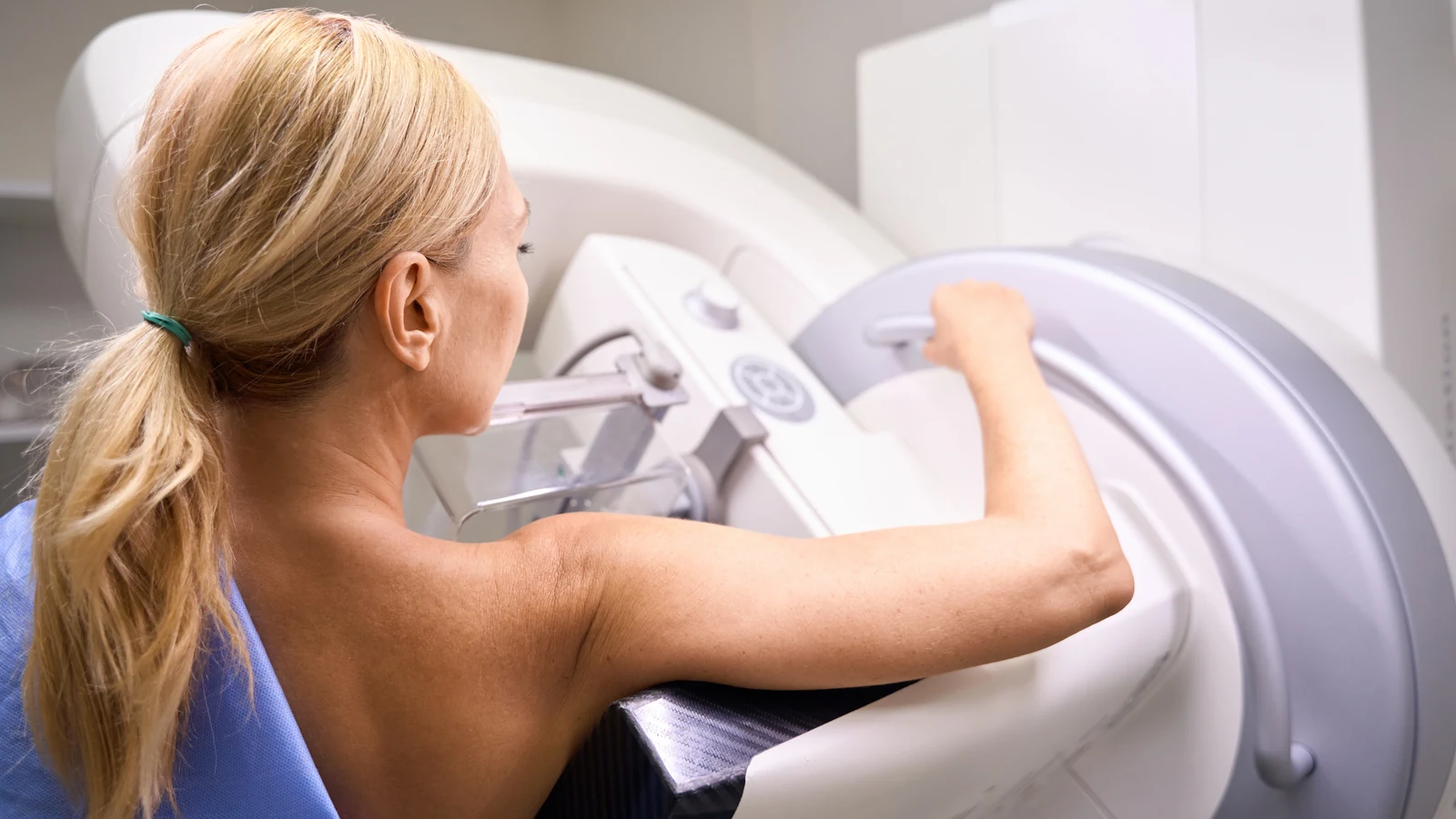
The colonoscopy, which involves the doctor using a lighted tube to examine the colon for problems, is the most common screening test. Imaging techniques can get similar results. Doctors can also test the stool for blood or altered DNA to check for problems. Each test is different, so doctors will pick the best one for each patient based on their medical needs.
Treatment and Outcomes
The treatment can be either to try and cure the disease or to make life more comfortable for those with incurable cancer. Surgery is an option when the disease is in the early stages, while chemotherapy and sometimes radiation therapy can be useful for more advanced cases.
Survival rates vary massively depending on when treatment begins. The National Cancer Society’s database shows that roughly 92% of the people who get treatment in the first stage of the disease will survive for at least five years, but that rate drops massively to roughly 12% for those in the final stages. That massive difference is why we encourage people to look into cancer screenings.