
A healthy bladder is an important part of your overall health. This key part of the urinary system functions smoothly and efficiently most of the time, but there are things you can do to help your bladder stay healthy. Keep reading to learn more about bladder health.
How the Urinary System Works
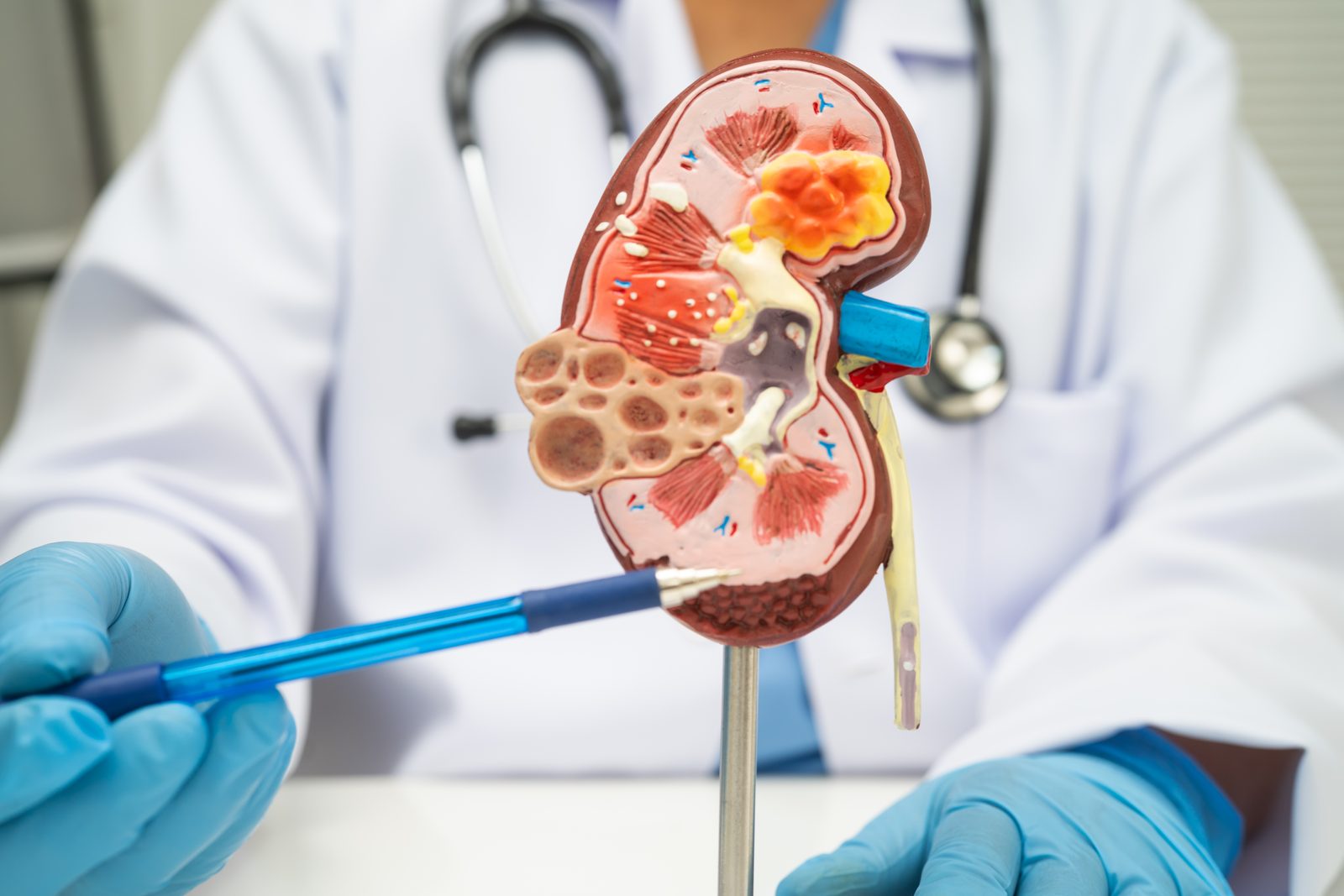
In addition to the bladder, the urinary system includes two kidneys, the ureters and the urethra. The kidneys filter waste products from the blood and form urine to eliminate the waste from your body. The urine runs from the kidneys down the ureters and into the bladder. There the urine is collected and stored until it can be eliminated from the body through the urethra. During urination, the detrusor muscle surrounding the bladder squeezes to empty it. Nerves let your brain know when the bladder is starting to feel full so you can go to the bathroom to empty it. Muscles around the urethra keep it closed to prevent leakage between urination.
Importance of the Urinary Bladder
A healthy bladder holds almost two cups of liquid and empties four to seven times per day, depending on the amount of fluids you drink. When functioning properly, the bladder empties completely when you use the bathroom and doesn’t leak.
Keeping Your Bladder Healthy
Help your urinary bladder stay healthy by following these tips:
- Drink plenty of fluids – Drinking enough fluids is one of the most important things you can do for the health of your bladder. Try to drink at least six to eight glasses of clear fluids every day.
- Avoid constipation and follow a healthy diet – A bowel that doesn’t empty properly can swell and put pressure on the bladder. Work to avoid constipation by following a healthy diet.
- Practice pelvic floor exercises – Strengthening the muscles of the pelvic floor helps prevent leaks.
Tips for Avoiding Bladder Infections
Reduce your risk of bladder infections by trying these tips:
- Drink one to two glasses of cranberry juice each day.
- Keep urine slightly acidic to help avoid infections by taking Vitamin C in divided doses throughout the day.
- Ask your doctor about drinking barley water to help calm an irritated bladder.
- If you have a permanent catheter, keep it free of encrustation.
- Continue to drink plenty of fluids; reducing fluid intake makes the urine more concentrated and usually makes bladder problems worse.
Things that Irritate the Bladder
There are a number of things that can irritate the urinary bladder. If you’re dealing with a bladder infection or have a sensitive bladder, it’s best to avoid the following things:
- Caffeinated beverages
- Fizzy beverages, especially those with artificial sweeteners such as Saccharine or Aspartame
- Alcoholic drinks
- Acidic fruit juices
- Some medications
- Being overweight, since extra weight can strain and weaken the pelvic floor muscles
Common Bladder Conditions
Many conditions can impact the bladder. Common urinary bladder conditions include:
- Cystitis – Inflammation of the bladder, which is often caused by an infection
- Urinary incontinence – Loss of control of the bladder
- Overactive bladder – The bladder contracts and squeezes out urine at the wrong time
- Interstitial cystitis – A chronic condition causing bladder pain and urgent, frequent urination
- Bladder cancer
Bladder Cancer
Bladder cancer is uncontrolled abnormal growth and multiplication of bladder cells. It is listed on the top ten list of cancers and is more common in men than in women. Smoking dramatically increases the risk of developing bladder cancer; age, family history, exposure to toxic chemicals, radiation and chemotherapy also are risk factors for developing bladder cancer. Blood in the urine is the most common symptom of bladder cancer, but other symptoms may include increased urinary frequency, urgency or pain when passing urine. When caught in the early stages, bladder cancer has a high survival rate, but if it’s not discovered until later than the survival rates go down dramatically.
Treatment of bladder cancer usually involves removing the tumor from the bladder through the urethra. Further treatment depends largely on diagnosis of the removed tumor and may include regular observation, medication, chemotherapy or radical cystectomy. During radical cystectomy, the bladder and prostate are removed and the urine is diverted using parts of the intestine.
When to Visit Your Doctor
Keeping your bladder healthy is important, so visit your doctor if you notice any unusual symptoms. Blood in the urine is never normal, so talk to your healthcare provider right away if you notice blood in your urine. This condition may or may not be accompanied by pain and sometimes it goes away for an extended period of time, but it’s still important to talk to your doctor about the problem as soon as possible. Frequent urination, pain during urination and changes in urine color are also signs that something isn’t working properly and should be discussed with your healthcare provider.
Keeping your bladder healthy is a key part of overall health and wellness. This often overlooked part of the urinary system plays a crucial role in eliminating waste from the body. Help your bladder stay healthy by following the above tips and talking to your doctor about any unusual changes.