South Louisiana Medical Associates
Call

Cancer, Screenings & Women's and Men's Health

Women's Preventive Health in Houma & South Louisiana

Learn the symptoms, causes, testing and treatment options for women's preventive health, and find SLMA providers in Houma, Thibodaux and South Louisiana who can help.

Women's Health Checkup

Women's Health Checkup

Regular checkups with your health care provider are different from appointments for sickness or injury. Your checkups, which are also called well-woman exams, include physical exams as well as preventive care. They can help find health problems early, when they may be easier to treat.

Your checkup is usually done by a provider with special training in caring for women. It will include screenings for chronic diseases. As a woman, you may also get special exams and screenings, such as:

  • A pelvic exam to check the health of your reproductive organs. Your provider will look at your vulva, vagina, and cervix. They will also do an internal exam to feel the size and shape of your internal organs such as the uterus and ovaries.
  • A cervical cancer screening, which uses a Pap test, an HPV test, or both. The tests can help prevent cervical cancer. A Pap test checks for cervical cancer and for abnormal cells that could turn into cancer. An HPV test looks for the types of HPV which can cause cervical cancer. For both tests, your provider will take a sample of cells from the surface of your cervix and send them to a lab to be examined under a microscope.
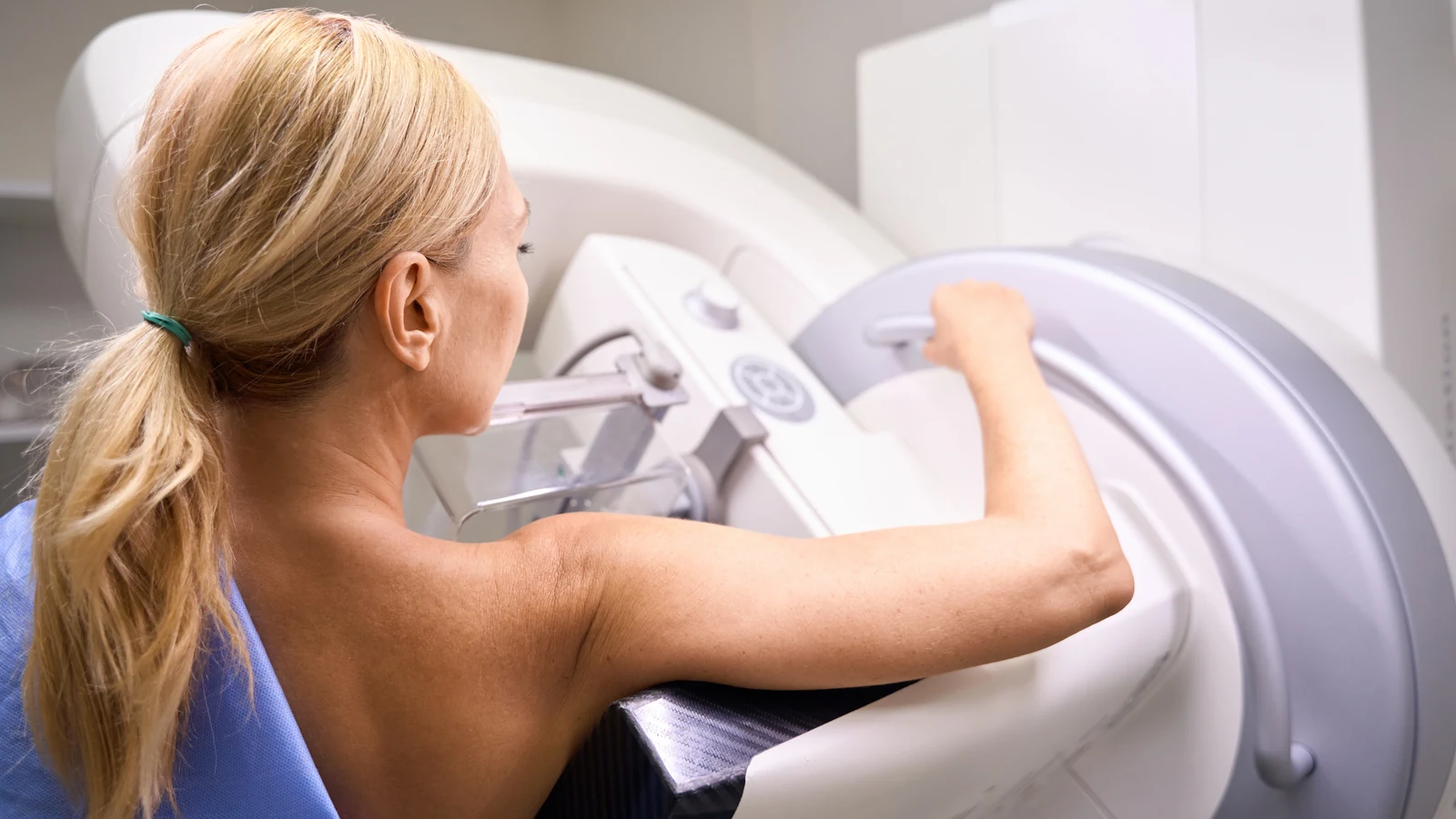
  • A clinical breast exam to check for breast cancer. Your provider will feel and look at your breasts and armpit area for lumps or other changes. They may also recommend a mammogram, which is an x-ray picture of your breast.

Which tests you get and how often you need them will depend on your age, overall health, and family health history. In some cases, your provider may also recommend other tests as well. For example, if you have a family history of certain cancers, your provider may recommend genetic testing.

During your checkup, you and your provider may also talk about other issues, such as:

To make the most of your next checkup, bring a list of any questions or concerns you have, so you can talk about them with your provider.


Source: MedlinePlus: Women's Health Checkup

Cervical Cancer Screening

What is cervical cancer screening?

Cervical cancer is cancer that starts in the cells of the cervix. The cervix is part of the female reproductive system. It is the lower, narrow end of the uterus (womb), which opens into the vagina (birth canal). Cervical cancer screening is an important part of routine health care for people who have a cervix.

Cervical cancer screening tests look for cancer before you have any symptoms. Cervical cancer usually develops slowly. Before cervical cells become cancer, they start to look abnormal. These cells are called "precancers". If they aren't destroyed or removed, they may become cancer cells that grow out of control and spread to other parts of your body.

Screening can help find abnormal cells so you can get treatment to prevent cervical cancer. These tests can also help to find cervical cancer early when it's usually easier to treat.

What tests screen for cervical cancer?

Cervical cancer screening is usually part of a woman's health checkup during a pelvic exam. These tests use a sample of cervical cells that your health care provider collects with a swab:

  • A Pap test (also called a Pap smear or cervical cytology) checks for abnormal cells so they can be treated before they become cancer.
  • An HPV (human papillomavirus) test checks for certain HPV infections that can cause cancer. HPV is a group of viruses that spread through sexual contact. The types that cause cancer are called "high-risk HPV."
  • The HPV/Pap cotest uses an HPV and Pap test together to check for both high-risk HPV and cervical cell changes.

If your screening tests are abnormal, your provider may do more tests, such as a biopsy. How often you should be screened for cervical cancer and which tests you should get will depend on your age and health history.

What are the possible benefits and harms of cervical cancer screening?

Cervical cancer screening saves lives. Screening can detect cervical changes early, lowering your chance of dying from cervical cancer. But, cervical cancer screening has potential harms.

The possible harms of cervical cancer screening include:

The results can sometimes be wrong.

  • Getting a false-positive result means that your test results appear abnormal, but there are no precancerous or cancerous cells. A false-positive may lead to:
    • Worry while you have more tests to look for signs of cancer.
    • Follow-up tests or treatment that you may not have needed.
  • Getting a false-negative result means that your test results appear normal, but there are precancer or cancerous cells. A false-negative may lead to:
    • You may delay seeking treatment even if you have symptoms.

Should I be screened for cervical cancer?

Talk with your provider about how often you should be screened for cervical cancer and which tests you should get. This will depend on your age and health history. If you have a cervix, it's recommended that you have your first Pap smear at age 21 and begin screening with an HPV test at age 25. You may need screening more often if you:

  • Had an abnormal HPV test, Pap smear, or cervical biopsy in the recent past.
  • Have had a diagnosis of cervical cancer.
  • Have a weakened immune system.
  • Were exposed to a drug called DES (Diethylstilbestrol) before you were born. Between the years 1940-1971, DES was sometimes prescribed to prevent miscarriages.

If you are over age 65 and have had regular Pap smear screenings with normal results, your provider may tell you that you no longer need them. If you have HIV, you may need to continue screenings after age 65.

You don't need cervical cancer screening if you had a total hysterectomy (surgery to remove your uterus and cervix) because of a condition that was not cancer. But if your hysterectomy was related to cervical cancer or precancer, ask your provider whether you need screening.

Source: MedlinePlus: Cervical Cancer Screening (original source: NIH: National Cancer Institute)

Health information on this page is from MedlinePlus, a service of the U.S. National Library of Medicine (NLM), National Institutes of Health. Retrieved 09/25/2026. NLM does not endorse SLMA or any SLMA service. This information is for education and is not a substitute for advice from your healthcare provider.

See all providers ›

Providers shown change on each visit.

From SLMA

Related News & Health Topics

Health topic guides

  • Primary Care

    Hypertension

    High blood pressure can gradually affect the heart, blood vessels, kidneys, brain, and other organs. SLMA provides evaluation, treatment, medication management, and ongoing prim...

    Learn more ›
  • Primary Care Sports Medicine

    Sports EKGs

    A sports EKG records the electrical activity of an athlete’s heart and may help identify rhythm abnormalities or other findings that deserve further evaluation. SLMA provides sp...

    Learn more ›
  • Chronic Conditions & Preventive Care

    Diabetes and High Blood Sugar

    Learn the symptoms, causes, testing and treatment options for diabetes and high blood sugar, and find SLMA providers in Houma, Thibodaux and South Louisiana who can help.

    Learn more ›

News and articles

See all news ›

Online scheduling

Schedule Your Visit
With an SLMA Provider

Book online through your clinic's patient portal.

  • Book online

    Schedule through your clinic's patient portal, any time.

  • Provider choice

    See the SLMA provider, specialty or clinic that fits your needs.

  • Coordinated care

    Primary care and specialists work within one medical group.

A woman using her phone to book an appointment

Ready to be seen by an SLMA provider?

Book online through your clinic's patient portal.

Schedule Your Visit

SLMA Clinics

Book NowCallLocations