South Louisiana Medical Associates
Call

Cancer, Screenings & Women's and Men's Health

Breast Health and Mammograms in Houma & South Louisiana

Learn the symptoms, causes, testing and treatment options for breast health and mammograms, and find SLMA providers in Houma, Thibodaux and South Louisiana who can help.

Breast Diseases

What are breast diseases?

Breast diseases include various conditions and changes in your breast. Most women experience breast changes at some time. Your age, hormone levels, and medicines you take may cause lumps, bumps, and discharges of fluids that are not breast milk.

Although many women fear cancer, most breast changes are benign, meaning they are not cancer. These breast changes are known as benign breast disease. See your health care provider if you have a breast lump, pain, discharge, or skin irritation. Minor and serious breast problems often have similar symptoms and may need treatment.

Common breast changes and conditions can include:

  • Fibrocystic breast changes can include lumpiness, thickening, and swelling, often just before your period. Your breasts may feel painful, swollen, or tender.
  • Cysts are fluid-filled lumps that may be tender.
  • Fibroadenomas are solid, round, rubbery lumps that easily move when pushed, occurring most in younger women.
  • Intraductal papillomas are wart-like benign tumors that grow in the milk duct of the breast.
  • Blocked milk ducts.
  • Milk production when you're not breastfeeding.

What are the symptoms of breast disease?

Symptoms depend on the type of breast disease. Benign breast diseases may not have any symptoms, or they could include:

  • A lump or firm feeling in your breast or under your arm
  • A change in the size or shape of your breast
  • Nipple discharge
  • Skin changes such as itching, redness or darkening, dimples, scaling, or puckering on your breast or nipple
  • Painful, swollen, or tender breasts

See your provider if you're noticing any of these symptoms or other unusual changes. Some symptoms may be warning signs or symptoms of breast cancer.

How are breast diseases diagnosed?

Some breast changes may be felt or seen. You may notice a change in your breast, or your provider may notice it during a clinical breast exam. Other breast changes may only be found during a screening mammogram or other imaging tests such as an MRI or ultrasound. Your provider may also recommend a breast biopsy to check a suspicious change in your breast.

What are the treatments for breast disease?

Some benign breast changes may increase your risk of breast cancer in the future and may need treatment now. Treatment depends on the type of breast disease that you have. Some breast changes may go away without treatment, while others may require monitoring, biopsy, or surgery.

Source: MedlinePlus: Breast Diseases (original source: NIH: National Cancer Institute)
Mammography

What is a mammogram?

A mammogram is an x-ray picture of the breast. Health care providers use mammograms to look for early signs of breast cancer that can't be felt during a breast exam. There are two types of mammograms: screening mammograms and diagnostic mammograms.

What is a screening mammogram?

A screening mammogram is a mammogram usually done for women who have no signs or symptoms of breast cancer. Regular screening mammograms can help reduce the number of deaths from breast cancer among women ages 40 to 74. This is because they can find breast cancer early and treatment can start earlier, maybe before it has spread.

But screening mammograms can also have risks. They can sometimes find something that looks abnormal but isn't cancer. This leads to further testing and can cause you anxiety. Sometimes mammograms can miss cancer when it is there. It also exposes you to radiation. You should talk to your provider about the benefits and drawbacks of mammograms. Together, you can decide when to start and how often to have a mammogram.

What is a diagnostic mammogram?

A diagnostic mammogram takes a little longer to do than a screening mammogram. It's done for people who have a lump or other signs or symptoms of breast cancer. The signs can include breast pain, thickening of the skin of the breast, nipple discharge, or a change in breast size or shape. But these signs can also be caused by a breast condition that is benign (not cancer). A diagnostic mammogram may also be used if you have breast implants or if there are other reasons it's difficult to view your breast tissue.

How is a mammogram done?

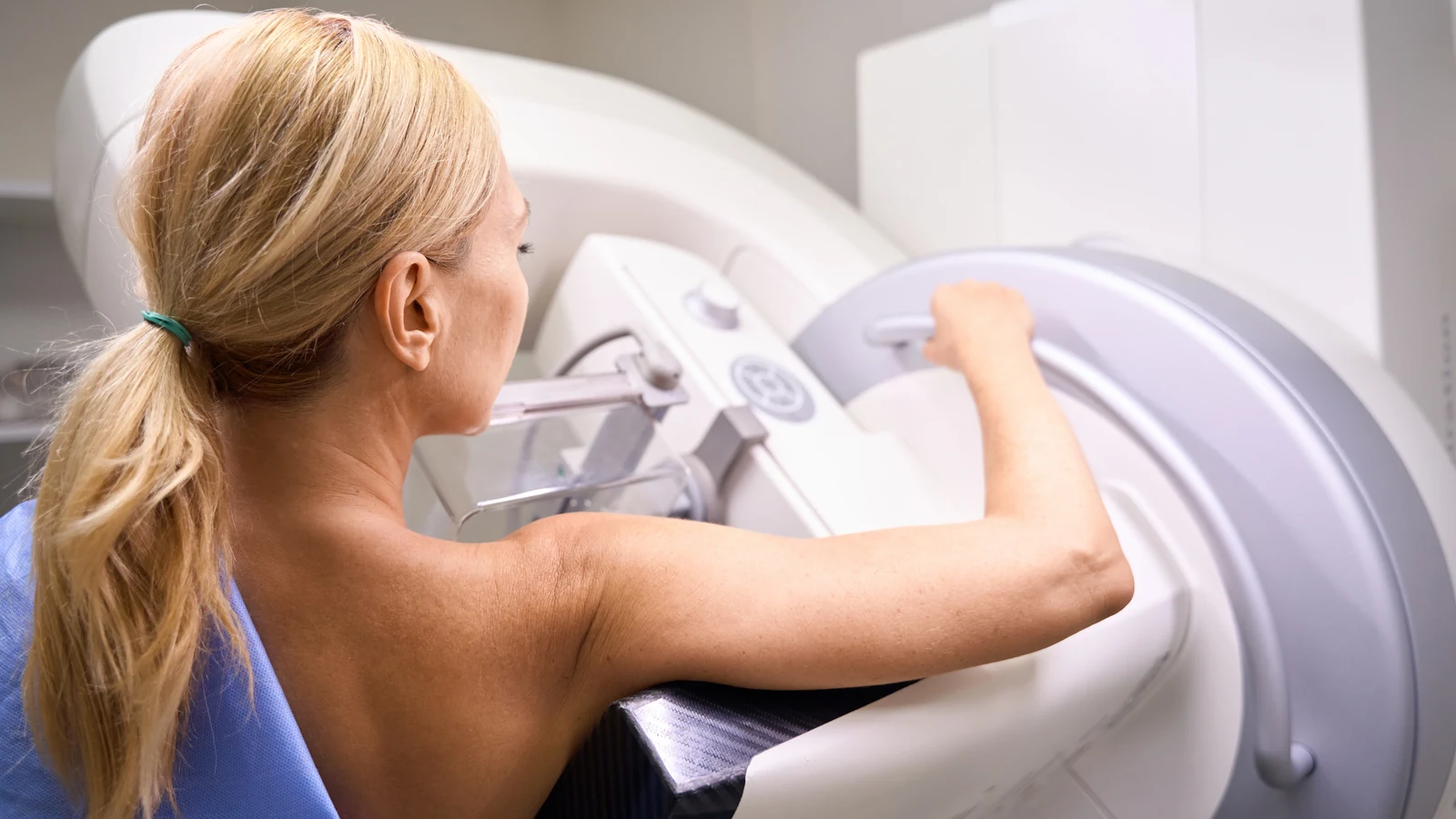
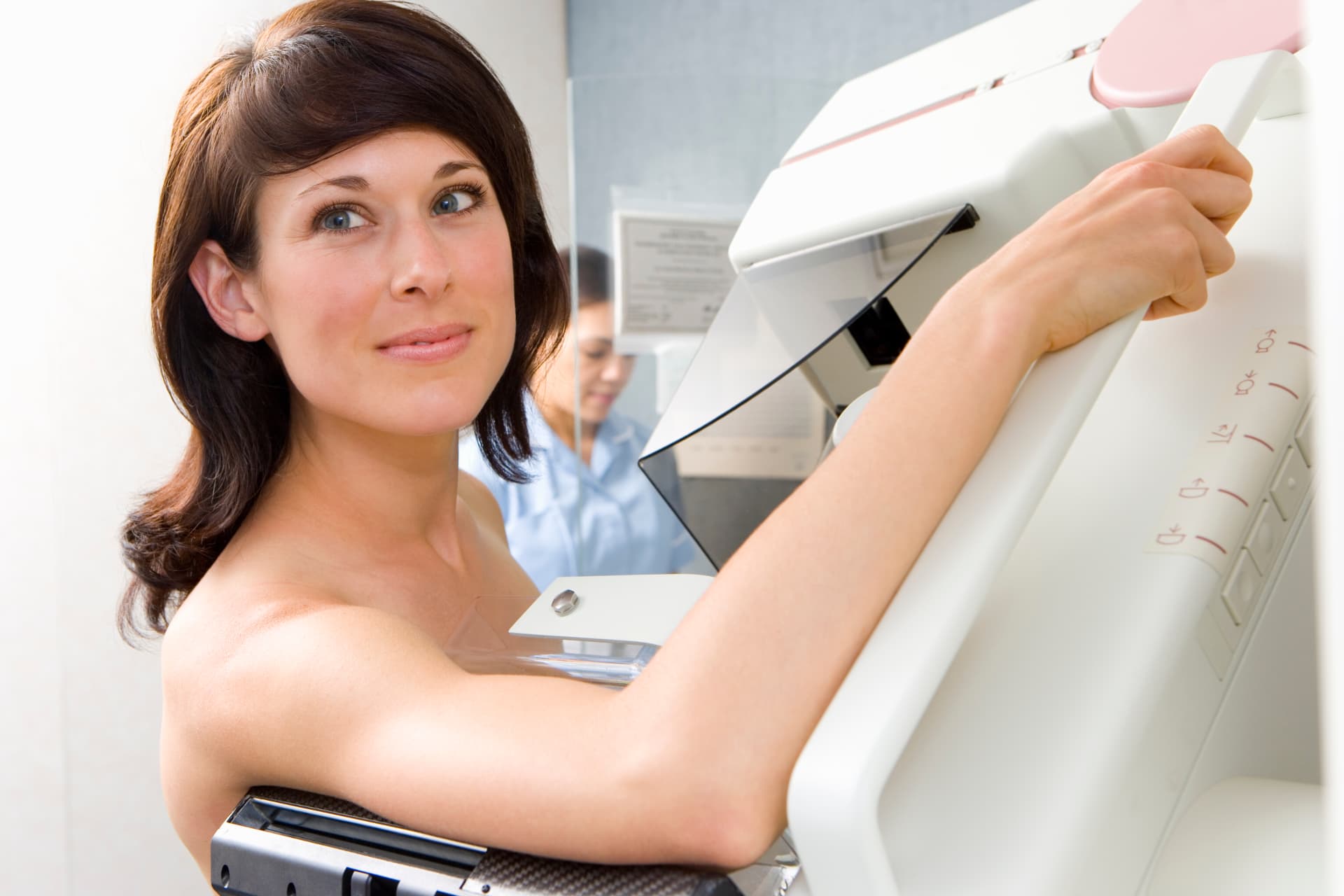
When you have a mammogram, you stand in front of an x-ray machine. The person who takes the x-rays places your breast between two plastic plates. The plates press your breast and make it flat. This may be uncomfortable, but it helps get a clear picture.

You will get both breasts x-rayed from the front and from the side. Afterwards, a radiologist (a doctor with special training) will read the mammogram. The doctor will look at the x-ray for early signs of breast cancer or other problems. You will usually get the results within a few weeks, although it depends on the clinic or medical office that you went to. If your results are not normal, you should hear back earlier. Ask your provider when and how you will receive your results.

What happens if my mammogram is not normal?

An abnormal (not normal) mammogram does not always mean that there is cancer. You will need to have additional mammograms, tests, or exams before your provider can tell for sure. You may also be referred to a breast specialist or a surgeon. But it does not necessarily mean you have cancer or need surgery. You would see one of these doctors because they are experts in diagnosing breast problems.

Source: MedlinePlus: Mammography

Health information on this page is from MedlinePlus, a service of the U.S. National Library of Medicine (NLM), National Institutes of Health. Retrieved 09/25/2026. NLM does not endorse SLMA or any SLMA service. This information is for education and is not a substitute for advice from your healthcare provider.

See all providers ›

Providers shown change on each visit.

From SLMA

Related News & Health Topics

Health topic guides

  • Primary Care

    Hypertension

    High blood pressure can gradually affect the heart, blood vessels, kidneys, brain, and other organs. SLMA provides evaluation, treatment, medication management, and ongoing prim...

    Learn more ›
  • Primary Care Sports Medicine

    Sports EKGs

    A sports EKG records the electrical activity of an athlete’s heart and may help identify rhythm abnormalities or other findings that deserve further evaluation. SLMA provides sp...

    Learn more ›
  • Chronic Conditions & Preventive Care

    Diabetes and High Blood Sugar

    Learn the symptoms, causes, testing and treatment options for diabetes and high blood sugar, and find SLMA providers in Houma, Thibodaux and South Louisiana who can help.

    Learn more ›

News and articles

  • Health TipsOctober 16, 2019

    When to Get Screened for Breast Cancer

    Early detection is critical when it comes to a cancer diagnosis. In general, we have an easier time treating cancer if we can catch it early than after it has time to get established. Regular screenings provide the...

    Read article: When to Get Screened for Breast Cancer ›
  • Health TipsSeptember 25, 2018

    Screening and Early Detection of Breast Cancer

    Breast cancer screening tests are used to identify signs of cancer before any symptoms or warning signs appear. Screening tests allow us to detect cancer in its earliest stages, so that we can begin treatment when it...

    Read article: Screening and Early Detection of Breast Cancer ›
See all news ›

Online scheduling

Schedule Your Visit
With an SLMA Provider

Book online through your clinic's patient portal.

  • Book online

    Schedule through your clinic's patient portal, any time.

  • Provider choice

    See the SLMA provider, specialty or clinic that fits your needs.

  • Coordinated care

    Primary care and specialists work within one medical group.

A woman using her phone to book an appointment

Ready to be seen by an SLMA provider?

Book online through your clinic's patient portal.

Schedule Your Visit

SLMA Clinics

Book NowCallLocations