
Dizziness and Vertigo
What is dizziness and vertigo?
Dizziness and vertigo are not the same thing, but they are often mixed up.
- Dizziness can make you feel lightheaded, woozy or unsteady on your feet.
- Vertigo is the feeling that you or the room is spinning even when nothing is moving.
These feelings may get worse when you walk, stand up, or move your head, and they can make you lose your balance. You may also have nausea, vomiting, sweating, trouble walking, or ringing in your ears.
What causes dizziness and vertigo?
Dizziness and vertigo can happen to anyone, but they are more common as you get older. As people age, they may have more health conditions and take more medicines, which increases the chance of dizziness.
Common causes of dizziness and vertigo may include:
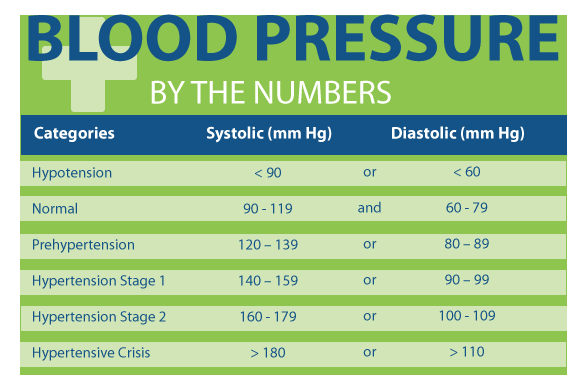
- A sudden drop in blood pressure
- Dehydration
- Getting up too quickly
- Certain medicines
- Inner ear problems, such as Meniere's disease, or benign paroxysmal positional vertigo (BPPV), the most common cause of vertigo
- Motion sickness
- Migraines
- A head injury or ear surgery
Sometimes dizziness or vertigo is a symptom of another condition.
How is the cause of dizziness and vertigo diagnosed?
Your provider will ask about your medicines and symptoms and may do a physical exam. They may check your hearing, balance, and how you walk.
You may need an imaging test if your provider thinks you may have had a stroke or if you've had a head injury.
What are the treatments for dizziness and vertigo?
Dizziness often gets better on its own, but if it keeps happening, your provider can help you find the cause and the right treatment. Treatment depends on the cause and may include balance exercises and medicines.
Get emergency help right away if you have sudden or severe dizziness or vertigo along with vision problems, slurred speech or weakness. These may be signs of a more serious condition.
Source: MedlinePlus: Dizziness and Vertigo (original source: NIH: National Institutes of Health)