South Louisiana Medical Associates
Call

Behavioral Health, Skin, Children & Everyday Care

Wound Care and Slow-Healing Wounds in Houma & South Louisiana

Learn the symptoms, causes, testing and treatment options for wound care and slow-healing wounds, and find SLMA providers in Houma, Thibodaux and South Louisiana who can help.

Wounds and Injuries

Wounds and Injuries

An injury is damage to your body. It is a general term that refers to harm caused by accidents, falls, hits, weapons, and more. In the U.S., millions of people injure themselves every year. These injuries range from minor to life-threatening. Injuries can happen at work or play, indoors or outdoors, driving a car, or walking across the street.

Wounds are injuries that break the skin or other body tissues. They include cuts, scrapes, scratches, and punctured skin. They often happen because of an accident, but surgery, sutures, and stitches also cause wounds. Minor wounds usually aren't serious, but it is important to clean them. Serious and infected wounds may require first aid followed by a visit to your doctor. You should also seek attention if the wound is deep, you cannot close it yourself, you cannot stop the bleeding or get the dirt out, or it does not heal.

Other common types of injuries include:

Source: MedlinePlus: Wounds and Injuries
Diabetic Foot

What is diabetes?

Diabetes is a disease in which your blood glucose, or blood sugar, levels are too high. Glucose comes from foods you eat. The cells of your body need glucose for energy. A hormone called insulin helps the glucose get into your cells.

With type 1 diabetes, your body doesn't make insulin. With type 2 diabetes, your body doesn't make or use insulin well. Without enough insulin, glucose can't get into your cells as quickly as usual. The glucose builds up in your blood and causes high blood sugar levels.

How does diabetes cause foot problems?

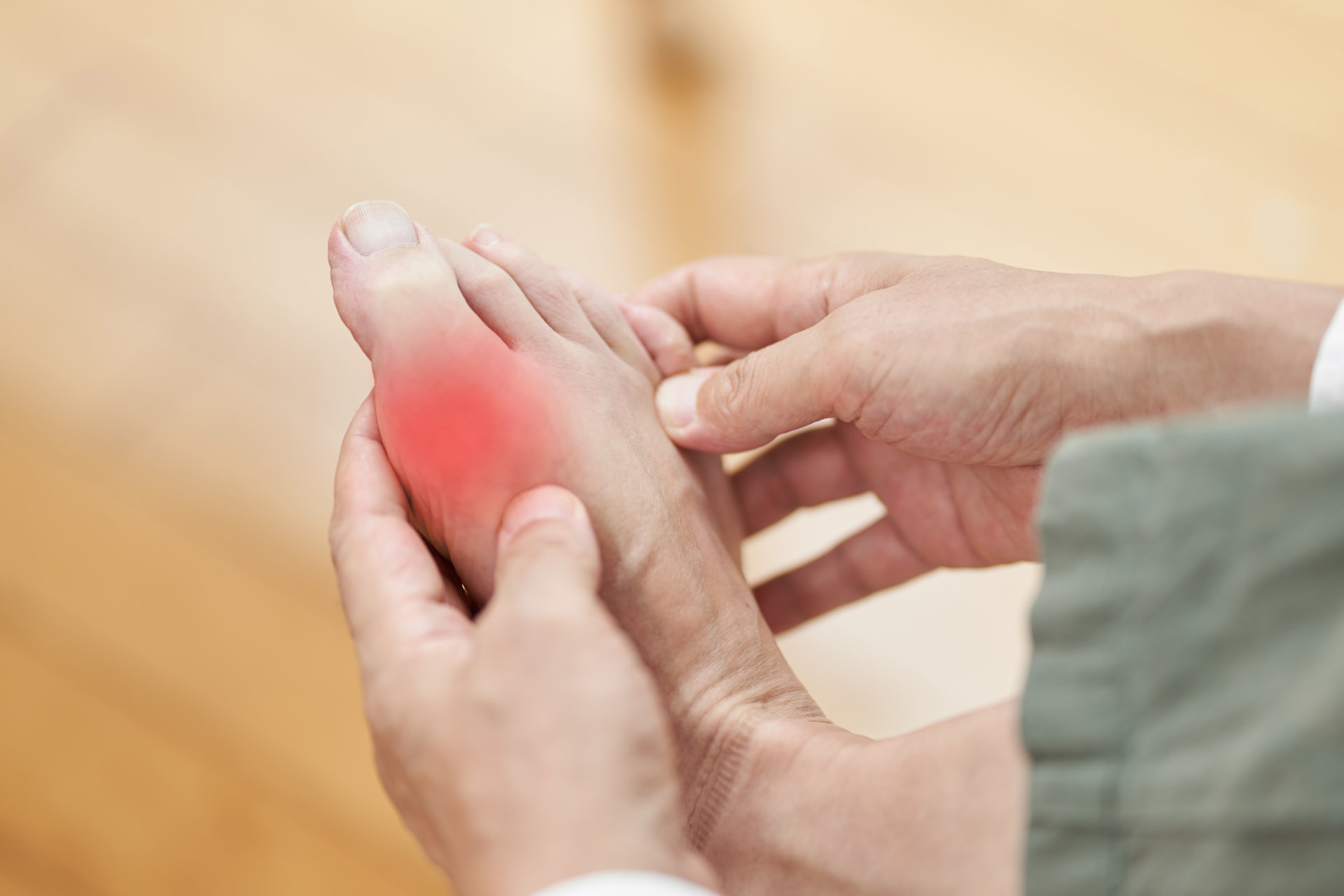
Foot problems are common in people with diabetes. They can happen over time when high blood sugar damages the nerves and blood vessels in the feet. The nerve damage, called diabetic neuropathy, can cause numbness, tingling, pain, or a loss of feeling in your feet.

If you can't feel pain, you may not know when you have a cut, blister, or ulcer (open sore) on your foot. A wound like that could get infected. The infection may not heal well because the damaged blood vessels can cause poor blood flow in your feet.

Having an infection and poor blood flow can lead to gangrene. That means the muscle, skin, and other tissues start to die. If you have gangrene or a foot ulcer that does not get better with treatment, you may need an amputation. This is a surgery to cut off your damaged toe, foot, or part of your leg. It may prevent a bad infection from spreading and could save your life.

But there's a lot you can do to prevent a foot wound from becoming a major health problem.

How can I protect my feet if I have diabetes?

The best way to protect your feet is by controlling your blood sugar levels every day. This will help keep nerve and blood vessel damage from getting worse. The next step is to keep the skin of your feet healthy.

Good foot care for people with diabetes includes:

  • Checking your feet every day. Look for cuts, redness, and other changes in the skin and toenails, including warts or other spots that your shoes could rub. Make sure to check the bottoms of your feet too.
  • Washing your feet every day. Use warm water and soap. Don't soak your feet because that can dry out your skin. After you dry your feet, you can use talcum powder or cornstarch between your toes. They soak up moisture that can cause infection. If you use lotion, don't apply it between your toes.
  • Asking your doctor how to remove corns and calluses safely. Thick skin on your feet can rub and lead to sores. But removing it the wrong way could damage your skin. So you don't want to cut the skin or use medicated pads or liquid removers.
  • Trimming your toenails straight across with a clipper. If it's hard for you to trim your own toenails, or if they're thick or curve into the skin, have a podiatrist (foot doctor) do it for you.
  • Always wearing well-fitting shoes and socks or slippers to protect your feet when walking. You don't want to walk barefoot, even indoors. And be sure your shoes are smooth inside. A seam or pebble could rub your skin raw.
  • Protecting your feet from heat and cold. Use sunscreen on exposed skin and don't walk barefoot at the beach. In cold weather, wear warm socks instead of warming your feet near a heater or fireplace.
  • Keeping the blood flowing in your feet. Put your feet up when you're sitting. Wiggle your toes and circle your feet throughout the day. Don't wear tight socks. And get plenty of activity that's not too hard on the feet, such as walking.
  • Getting your feet checked at your health care visits. Even if you haven't noticed a problem, it's good to have your health care provider look at your feet.

When should I see my health care provider about diabetic foot problems?

Serious foot problems can develop quickly. See your health care provider right away if you notice:

  • A cut, blister, or bruise on your feet that doesn't start to heal in a few days
  • Red, warm, or painful skin on your feet
  • A callus with dried blood inside
  • A foot infection that becomes black and smells bad that could be gangrene

Remember, controlling your blood sugar and caring for your feet every day are the best steps you can take to prevent serious diabetic foot problems.

Source: MedlinePlus: Diabetic Foot (original source: NIH: National Institute of Diabetes and Digestive and Kidney Diseases)

Pressure Sores

Pressure Sores

Pressure sores are areas of damaged skin caused by staying in one position for too long. They commonly form where your bones are close to your skin, such as your ankles, back, elbows, heels and hips. You are at risk if you are bedridden, use a wheelchair, or are unable to change your position. Pressure sores can cause serious infections, some of which are life-threatening. They can be a problem for people in nursing homes.

You can prevent the sores by :

  • Keeping skin clean and dry
  • Changing position every two hours
  • Using pillows and products that relieve pressure

Pressure sores have a variety of treatments. Advanced sores are slow to heal, so early treatment is best.

Source: MedlinePlus: Pressure Sores

Health information on this page is from MedlinePlus, a service of the U.S. National Library of Medicine (NLM), National Institutes of Health. Retrieved 09/25/2026. NLM does not endorse SLMA or any SLMA service. This information is for education and is not a substitute for advice from your healthcare provider.

See all providers ›

Providers shown change on each visit.

From SLMA

Related News & Health Topics

Health topic guides

  • Primary Care

    Hypertension

    High blood pressure can gradually affect the heart, blood vessels, kidneys, brain, and other organs. SLMA provides evaluation, treatment, medication management, and ongoing prim...

    Learn more ›
  • Primary Care Sports Medicine

    Sports EKGs

    A sports EKG records the electrical activity of an athlete’s heart and may help identify rhythm abnormalities or other findings that deserve further evaluation. SLMA provides sp...

    Learn more ›
  • Chronic Conditions & Preventive Care

    Diabetes and High Blood Sugar

    Learn the symptoms, causes, testing and treatment options for diabetes and high blood sugar, and find SLMA providers in Houma, Thibodaux and South Louisiana who can help.

    Learn more ›

News and articles

See all news ›

Online scheduling

Schedule Your Visit
With an SLMA Provider

Book online through your clinic's patient portal.

  • Book online

    Schedule through your clinic's patient portal, any time.

  • Provider choice

    See the SLMA provider, specialty or clinic that fits your needs.

  • Coordinated care

    Primary care and specialists work within one medical group.

A woman using her phone to book an appointment

Ready to be seen by an SLMA provider?

Book online through your clinic's patient portal.

Schedule Your Visit

SLMA Clinics

Book NowCallLocations