Get ready for sweets, treats and learning! October is breast cancer awareness month, so kick things off by learning more about this common type of cancer.
Facts about Breast Cancer
- Among American women, breast cancer is the second most common form of cancer, behind skin cancer.
- More than 200,000 women in the United States get breast cancer each year.
- 1 in 8 women get diagnosed with breast cancer during their life.
- More than 40,000 women in the United States die from breast cancer each year.
- Breast cancer is more common in women over 50, but younger women can also get breast cancer.
- Men get breast cancer too, but much less frequently.
- In the United States, there are more than 2.8 million breast cancer survivors alive today.
What is Breast Cancer?
Breast cancer occurs when a group of cancer cells develop in the breast. These abnormal cells grow and invade other cells, resulting in the spread of cancer. Cancer cells can break off the original tumor, enter the blood or lymph vessels and travel to other parts of the body. This process is called metastasis.
Who is Affected by Breast Cancer?
Women over age 50 are most commonly affected by breast cancer. Women younger than 45 make up about 10 percent of new cases of breast cancer in the United States, and men account for less than 1 percent of breast cancers.
Breast Cancer Risk Factors
The main risk factors for breast cancer are being a women, being over 50 years of age and changes in breast cancer genes. Here are some additional risk factors:
- Being Caucasian
- Immediate family member was diagnosed with breast cancer
- You began menstruation before 12 or went through menopause after 55
- You had your first child at a late age or never had children
- Having dense breast tissue
Certain environmental and lifestyle factors can also put you at a higher risk for breast cancer:
- Poor diet
- Lack of physical activity
- Being overweight or obese
- Radiation to the chest
- Drinking alcohol
- Combined Hormone Replacement Therapy
However, having these risk factors doesn’t necessarily mean you’ll develop breast cancer. Some people with risk factors never develop breast cancer, and 60-70 percent of women who develop breast cancer don’t have any known risk factors.
Symptoms of Breast Cancer
Some people get breast cancer without experiencing any symptoms, but there are a number of different breast cancer symptoms. If you notice any of these symptoms, talk to your doctor:
- Change in breast size or shape
- Pain in the breast
- Discharge from the nipple other than breast milk
- A new lump in the breast area
Early Detection of Breast Cancer
Avoiding risk factors as much as possible can help lower your risk, but there currently isn’t a way to reliably prevent breast cancer. Instead, the focus is on early detection. Finding breast cancer early, while it’s in the localized stage, makes it easier to treat. The five year relative survival rate when breast cancer is discovered in the localized stage is 100 percent.
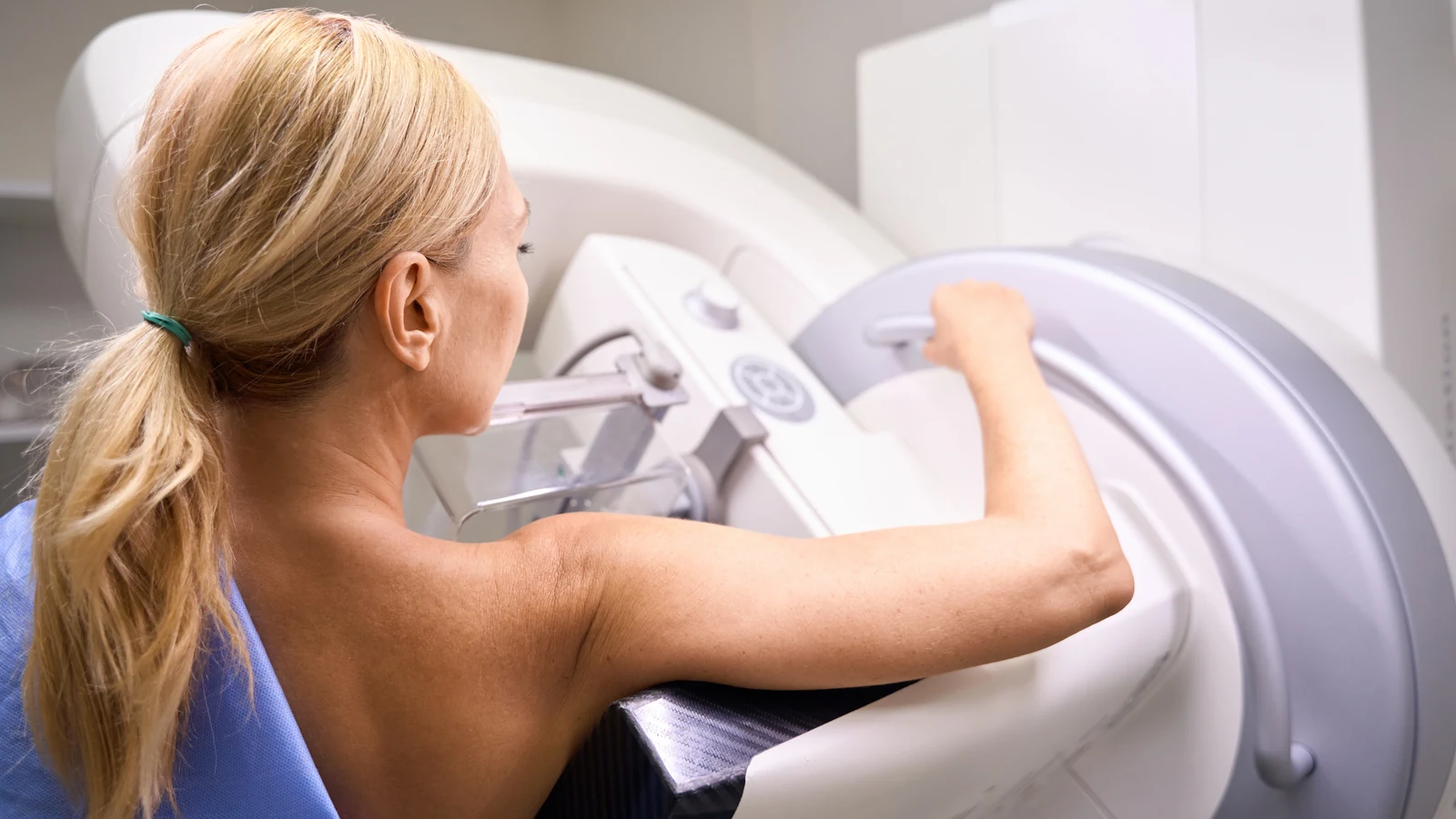
Breast cancer screenings are used to detect the cancer and include self-exams, clinical breast exams and mammograms. Perform a breast self-exam once a month and visit your doctor once a year for a clinical breast exam. It’s recommended that women between 50 and 74 get a mammogram every two years. Women between 40 and 49 should talk to their doctor about how often to get a mammogram.
How to Perform a Breast Self-Exam
Breast self-exams are important for adult women of all ages. When you are familiar with the way your breasts normally look and feel, you can talk to your doctor if you notice something unusual. Take time each month to examine your breasts following these steps:
- Step 1: Start by facing a mirror with your hands on your hips. Look for evenly-shaped breasts that are their usual size, shape and color. Tell your doctor if you notice any puckering, dimpling or bulging of the skin; redness, rash, soreness or swelling; or a nipple that is pushed inward or has changed positions.
- Step 2: Raise your arms above your head and check again for the same things.
- Step 3: Look in the mirror to check the nipples for fluid. Talk to your doctor if watery, yellow or milky fluid or blood is coming out of one or both nipples.
- Step 4: Lie down with your right hand behind your head and use your left hand to feel your right breast. Use the finger pads of your first few fingers to apply a firm, smooth touch in a small, circular motion. Feel for any changes, like lumps, thickening or a hardened knot. Use a pattern to make sure you cover the whole area, either a circular pattern or up and down pattern. Examine the entire breast, from the armpit to cleavage and the collarbone to the top of the abdomen. Feel all the layers of tissue by using soft pressure to feel the surface layer, medium pressure for the middle layer and firm pressure for the deep tissue. With firm pressure, you should be able to feel your rib cage. Squeeze the nipple to check for lumps or discharge. Repeat for the other side.
- Step 5: Exam your breasts while standing or sitting. Many women prefer to complete this step in the shower when the skin is wet and slippery. Use the hand movements from step four to again cover your entire breast.
Make the most of breast cancer awareness month this October by learning more about it and performing regular self-exams. Talk to a doctor at SLMA if you have concerns about breast cancer or would like additional information.